A pensioner declared dead in Spain wakes up moments before being embalmed, highlighting critical flaws in death verification systems.
Story Snapshot
- 66-year-old Roger Leitner pronounced dead, later awakens before embalming.
- Incident exposes systemic issues in death certification protocols.
- Similar cases globally reveal a pattern of premature declarations.
- Event prompts calls for enhanced medical training and safety measures.
Incident Overview
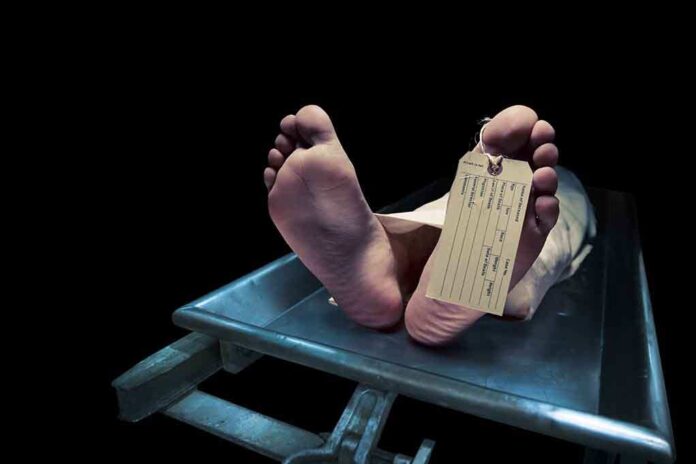
Roger Leitner, a 66-year-old pensioner in Reus, Spain, suffered a cardiac arrest at his care home. Paramedics initially revived him, but after a second arrest, he was declared dead. His body, transferred to the Mémora funeral home, was placed in a body bag and prepared for embalming. Miraculously, Leitner awoke gasping for air just before the process began, prompting immediate emergency intervention. He was treated for hypothermia and low blood pressure and discharged in stable condition after two days.
This incident shines a light on the dangers of misdiagnosing death, especially in cases involving hypothermia, where the body’s metabolism slows, mimicking death. This case is not isolated; similar incidents have occurred globally, suggesting a need for more stringent protocols in death certification, particularly in care homes with high elderly populations.
Systemic Issues in Death Certification
The premature declaration of death in Leitner’s case underscores significant flaws in the current protocols for verifying death. Typically, Spanish law mandates the confirmation of death by two doctors. However, the decision was made solely by paramedics due to the circumstances. As Spain grapples with an aging population and post-pandemic healthcare strains, such missteps underscore the urgency for robust and accurate death verification processes.
Historically, the fear of being buried alive led to inventions like waiting mortuaries in the 19th century. Modern technology should theoretically prevent such errors, yet cases like Leitner’s reveal that diagnostic lapses still occur, especially in instances of severe hypothermia or drug overdoses where vital signs are masked.
Global Precedents and Implications
Leitner’s case is not unique. Previous incidents include a man in Mexico waking during his autopsy and a woman in Ecuador reviving after hours in a coffin. Such events highlight a global issue with apparent death declarations, with WHO estimating that approximately 1 in 1,000 “deaths” annually are misdiagnosed. These revelations have prompted calls for improved training and the adoption of advanced monitoring technologies like capnography, which measures CO2 levels to confirm death.
The implications of such errors are profound, affecting not only the individuals involved and their families but also the trust in elder care systems. In Spain, the event has led to increased audits of care homes and a push for enhanced training in recognizing true signs of death, particularly in hypothermic conditions.
Response and Future Measures
Following the incident, the Catalan Health Service initiated an investigation, concluding that human error, exacerbated by hypothermia masking vital signs, was to blame. In response, new guidelines emphasizing the use of ECG and capnography in suspected hypothermic deaths have been mandated. Additionally, funeral and medical industries across Europe are piloting these technologies to prevent future occurrences.
Leitner’s recovery and return to normal life serve as a relief, yet his experience stresses the critical need for systemic improvements. The incident has fueled public discourse on elder care standards, with calls for more rigorous oversight and accountability in death certifications. As the debate continues, the hope is for substantive changes that ensure such a harrowing experience does not recur.