A fatal collision at LaGuardia Airport between an Air Canada regional jet and a Port Authority fire truck has exposed alarming failures in air traffic control procedures, leaving two pilots dead and raising urgent questions about whether government agencies can maintain basic safety standards at one of America’s busiest airports.
Story Snapshot
- Air Canada Flight 8646 collided with Port Authority fire truck on runway at 93-105 mph, killing both pilots and injuring 41 passengers and crew
- Air traffic controller admitted on recorded audio: “I messed up” after initially clearing fire truck to cross runway then desperately trying to stop it
- LaGuardia Airport closed, canceling 573+ flights and stranding thousands of travelers due to preventable safety breakdown
- NTSB investigation reveals cascading emergency failures as fire truck responded to separate United Airlines incident
Fatal Ground Collision Claims Two Pilots
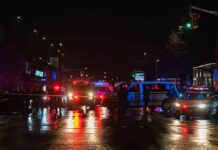
Air Canada Flight 8646, a Bombardier CRJ-900 regional jet operated by Jazz Aviation, struck a Port Authority Aircraft Rescue and Firefighting vehicle at approximately 11:47 p.m. Sunday night on Runway 4 at LaGuardia Airport. The collision demolished the front of the aircraft traveling at speeds between 93 and 105 mph, instantly killing the pilot and co-pilot. Forty-one people were transported to area hospitals, including 39 passengers and two Port Authority officers from the fire truck. Thirty-two individuals have since been released, while several remain hospitalized with serious injuries.
The aircraft had just landed from Montreal carrying 72 passengers and four crew members when it struck the emergency vehicle that was crossing the runway. Port Authority Executive Director Kathryn Garcia confirmed the casualties during a Monday morning press conference, noting that all passengers have been accounted for, including an unaccompanied minor who was reunited with family. The devastating impact destroyed the cockpit section of the aircraft, forcing emergency evacuations through the plane’s emergency exits as debris scattered across the runway.
Air Traffic Controller Admits Critical Error
Audio recordings from LiveATC.net captured the horrifying sequence of events that led to the collision, revealing a fundamental breakdown in air traffic control procedures. The Port Authority fire truck requested and received clearance from the tower to cross Runway 4 at taxiway Delta while responding to a separate odor incident on a United Airlines aircraft. Moments after granting clearance, the controller recognized the imminent danger and issued multiple urgent commands for the vehicle to stop. The frantic attempts came too late.
In a stunning admission of responsibility, the air traffic controller stated on recorded audio: “I tried to reach out to them, I stopped them. We were dealing with an emergency earlier and I messed up.” This confession raises serious concerns about whether controllers can safely manage multiple emergencies simultaneously at major metropolitan airports. Port Authority Executive Director Garcia emphasized that proper protocols require clearance from the tower before any vehicle moves on runways or taxiways, but those procedures clearly failed to prevent this tragedy when it mattered most.
Airport Closure Disrupts Thousands of Travelers
LaGuardia Airport remained closed through Monday morning, with officials initially targeting a 2 p.m. reopening though the closure could extend further. More than 573 flights were canceled Monday alone, creating massive disruptions for thousands of passengers traveling through one of the nation’s busiest aviation hubs. Delta Airlines, which operates LaGuardia as a significant hub, implemented automatic rebooking procedures and waived change fees. The economic impact extends beyond airlines to ground transportation services, hotels, and related businesses throughout the New York City region.
Two Dead in LaGuardia Airport Crash, Dozens Injuredhttps://t.co/eFQ2FfqKBz
— PJ Media (@PJMedia_com) March 23, 2026
The National Transportation Safety Board deployed a go-team to lead the investigation, with additional investigators expected to arrive as the probe continues. President Trump characterized the incident as “terrible” and stated, “They made a mistake. It’s a dangerous business.” Canadian Prime Minister Mark Carney called the collision “deeply saddening” and confirmed Canadian officials are working closely with U.S. counterparts, as the incident involves a Canadian carrier and crew. The Air Line Pilots Association mourned the loss, with President Capt. Jason Ambrosi calling it “a profound tragedy” for the aviation community.
Safety Protocol Failures Demand Accountability
This preventable disaster highlights the consequences when government agencies fail to maintain rigorous safety standards. The cascading emergency scenario—where a fire truck responding to one incident created conditions for a far deadlier collision—exposes gaps in coordination protocols that should never exist at major airports. The controller’s admission of error, while honest, underscores questions about training, staffing levels, and whether air traffic control systems can handle the complexity of modern airport operations. Americans deserve answers about how such fundamental safety failures occurred and what concrete steps will prevent future tragedies at airports nationwide.
Sources:
ABC News – LaGuardia Airport Closed After Collision Between Air Canada Plane and Airport Vehicle
WCLK – A LaGuardia Crash Kills 2, Hurts Dozens and Closes the Airport: Here’s What to Know
Fox 5 NY – Fatal LaGuardia Queens Plane Runway Crash