President Trump’s Energy Secretary boldly declares indefinite U.S. control over Venezuela’s oil sales, turning Maduro’s collapsed empire into American leverage for hemispheric stability.
Story Highlights
- U.S. to market 50 million barrels of Venezuelan oil, potentially generating $2.5 billion in revenue.
- Plan extends indefinitely, overseeing PDVSA to revive production after Maduro’s capture.
- Tanker seizures target Hezbollah-linked smuggling networks tied to the fallen regime.
- Congress demands oversight to protect U.S. oil markets and ensure no taxpayer funds.
- Trump strategy pressures interim government, restoring democracy without socialist mismanagement.
Trump Announces Aggressive Oil Takeover Plan
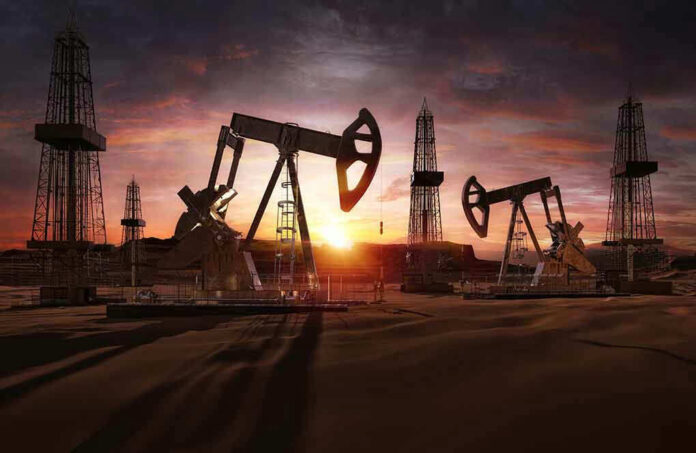
On January 6, 2026, President Donald Trump directed Energy Secretary Chris Wright to lead the sale of Venezuelan crude oil. The interim Venezuelan government handed over up to 50 million barrels of sanctioned stockpiles following a U.S. military raid that captured Nicolás Maduro and his wife in Caracas. This move marks a decisive shift from prior sanctions, establishing direct U.S. oversight to market the oil and generate up to $2.5 billion. Wright confirmed the sales will continue indefinitely, prioritizing proper revenue handling amid Venezuela’s economic ruins left by socialist policies.
Wright Details Indefinite Oversight Strategy
Energy Secretary Chris Wright spoke at a conference on January 7, 2026, outlining plans to market Venezuelan crude indefinitely. U.S. firms met with Wright to discuss revitalizing PDVSA, Venezuela’s state oil company, using American chemicals and equipment to restart sludgy fields. Production had plummeted from 2.5 million barrels per day in 2016 to under 800,000 by 2024 due to Maduro’s corruption and mismanagement. This approach avoids U.S. taxpayer costs while providing leverage to rebuild Venezuelan democracy and counter regional threats from Iran-backed networks.
Tanker Seizures Disrupt Maduro’s Smuggling Empire
U.S. forces seized the Russia-flagged Bella 1, renamed Marinera, in the North Atlantic, and the Sophia in the Caribbean on January 7, 2026. These Hezbollah-linked vessels violated sanctions tied to Maduro’s regime. The actions support Trump’s proclamation against sanctions-evading ships, handing them to law enforcement. Earlier, a December 2025 Coast Guard boarding attempt on Bella 1 failed, but pursuit succeeded. Such enforcement echoes Trump’s first-term maximum pressure campaign, now escalated post-raid to dismantle smuggling tied to adversaries like Russia and Iran.
Congressional briefings occurred that day, with Republicans like Senators John Hoeven and Kevin Cramer praising Wright’s brilliance but insisting on revenue oversight to shield domestic producers, especially in North Dakota, from cheap imports. Democrats, including Senator Chris Murphy, decried the plan as “insane” theft at gunpoint. Speaker Mike Johnson endorsed it without U.S. funding, aligning with conservative priorities of fiscal responsibility and energy dominance.
Implications for U.S. Energy Security and Venezuelan Revival
Short-term, oil sales inject $2.5 billion into U.S.-controlled funds, disrupting Maduro’s networks and stabilizing Venezuela’s interim government. Long-term, billions in private investment from U.S. oil majors could restore output, but risks include takeover accusations and market flooding concerns. The strategy bolsters Trump’s influence in the Western Hemisphere, using Venezuela’s vast reserves—once the world’s largest—against globalist threats. U.S. oversight ensures revenues fund democracy, not corruption, protecting American interests without overreach.
Sources:
ABC News: Venezuela Live Updates
Politico: Congress Demands Venezuelan Oil Revenue Oversight
Politico: Wright Announces Venezuelan Oil Sales
SFGate: U.S. Forces Board Venezuela-Linked Sanctioned Oil Tanker