Cuba’s entire national power grid collapsed on March 16, 2026, plunging 11 million people into darkness while desperate citizens took to the streets in rare violent protests against a communist regime now facing the consequences of decades of failed central planning and dependence on socialist dictatorships.
Story Snapshot
- Complete nationwide blackout marks the sixth total grid failure in just 18 months, exposing systemic infrastructure collapse
- Trump administration’s strategic oil embargo following Maduro’s arrest has crippled Cuba’s energy supply after three months without fuel shipments
- Desperate Cubans protest in streets with pot-banging demonstrations as government postpones tens of thousands of surgeries
- Communist regime now begging for negotiations with Trump administration while finally admitting economic liberalization necessary
Decades of Socialist Mismanagement Come Home to Roost
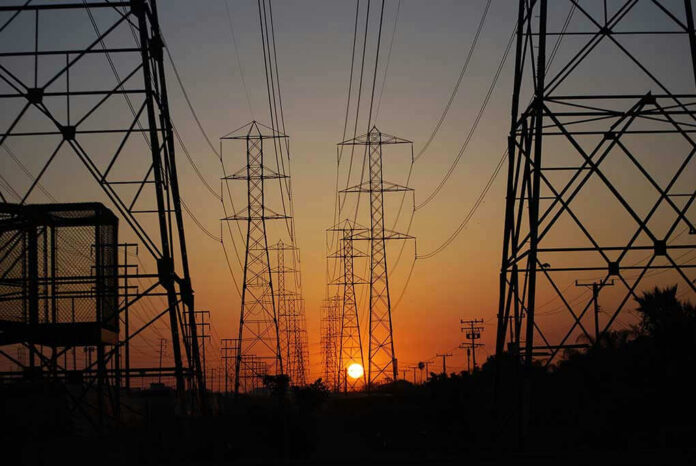
Cuba’s National Power System generated zero megawatts at 1:40 p.m. local time on March 16, leaving the entire island nation without electricity. The state-owned grid operator Unión Eléctrica confirmed a total blackout affecting approximately 11 million people. This represents the sixth complete island-wide blackout in 18 months, following a partial outage on March 4 that left two-thirds of the country in darkness. Energy experts describe Cuba’s infrastructure as “way past its normal useful life,” relying on obsolete Soviet-made thermal power plants that should have been replaced decades ago.
The crisis stems directly from socialist central planning that prioritized ideology over infrastructure investment. Cuba produces only 40 percent of its petroleum domestically and depends entirely on foreign socialist allies for energy survival. The government lacks hard currency to import spare parts or upgrade crumbling infrastructure because its command economy cannot generate wealth. William LeoGrande from American University noted that technicians working on the grid are “magicians to keep it running at all given the shape that it’s in.” This perfectly illustrates how socialism forces brilliant people to waste their talents maintaining broken systems rather than building prosperity.
Trump’s Strategic Pressure Exposes Communist Vulnerability
President Trump’s administration arrested Venezuelan dictator Nicolás Maduro in January 2026, immediately halting critical oil shipments that propped up Cuba’s communist regime. Trump then threatened tariffs on any country selling oil to Cuba, effectively implementing a strategic energy blockade. Cuban President Miguel Díaz-Canel confirmed on March 14 that the island had received no fuel shipments in three months. This demonstrates the effectiveness of strategic pressure on authoritarian regimes that cannot sustain themselves without external support from other dictatorships like Venezuela, Russia, and previously the Soviet Union.
The Trump administration made clear it does not seek regime collapse but rather demands Cuba release political prisoners and move toward political and economic liberalization. This measured approach contrasts sharply with previous administrations that either enabled communist oppression through normalization or imposed sanctions without clear diplomatic objectives. Cuba now finds itself in talks with the U.S. government, finally forced to acknowledge that decades of revolutionary socialism have produced only poverty and infrastructure collapse. The regime announced it would allow Cubans living abroad to invest in or own businesses, a tacit admission that communist economics have utterly failed.
Cuban People Pay the Price for Communist Failure
Social media videos show desperate Cubans engaging in cacerolazo protests, banging pots and pans in Havana and other cities to express frustration with daily life under communist rule. Five protesters have been arrested so far for daring to demonstrate against the regime. The government has postponed surgeries for tens of thousands of people due to electricity shortages. Food spoilage from lack of refrigeration exacerbates existing shortages in a country where basic necessities remain scarce despite revolutionary promises. Vulnerable populations including elderly citizens and those dependent on refrigerated medications face life-threatening conditions.
The broader economic collapse reveals communism’s predictable trajectory. Cuba’s GDP fell 15 percent since COVID-19, and approximately 20 percent of the population has emigrated, primarily working-age citizens fleeing socialism’s inevitable poverty. Historical precedent from Hurricane Ian in 2022 suggests restoration could take an entire week, meaning millions may endure extended darkness while the regime scrambles to restart a grid operating as separate generation islands. The Ministry of Energy and Mines admitted “no failures in the units that were operating,” confirming the collapse was systemic rather than caused by specific equipment failures. This is what happens when government controls everything and maintains nothing.
Sources:
Cuba’s national electric grid collapses, leaving millions without power – KSL News
Cuba is left without power due to the complete collapse of its electrical grid – El País English
Cuba national energy grid nationwide blackout – CBS News
Island-wide blackout hits Cuba as island struggles with deepening energy crisis – 2News