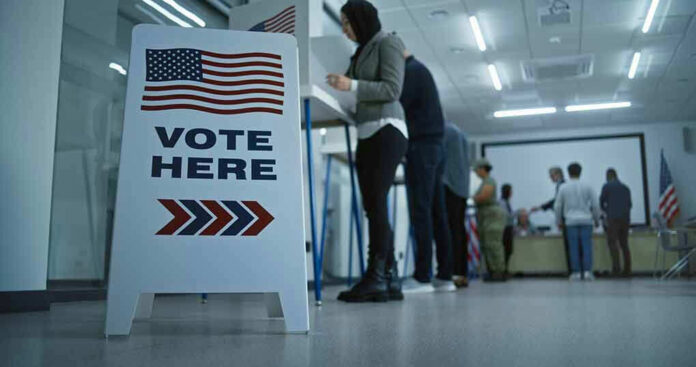
Oregon’s election system faces a significant overhaul as the state prepares to remove 800,000 inactive voters from its rolls, a move hailed as a victory for election integrity.
Story Highlights
- Oregon plans to remove 800,000 inactive voters to reinforce election integrity.
- The decision follows legal pressures, including a Trump administration lawsuit.
- Inactive voters haven’t voted in two consecutive federal elections.
- The purge aims to build public trust, though inactive voters don’t receive ballots.
Oregon’s Voter Purge: A Quest for Integrity
In a landmark move, Oregon Secretary of State Tobias Read has announced plans to remove approximately 800,000 inactive voter registrations from the state’s rolls. This decision, influenced by mounting legal pressures, including a lawsuit from the Trump administration, seeks to address concerns about election integrity. The purge will begin with 160,000 clearly ineligible voters, with the intention of reinforcing public trust without impacting those who no longer participate in elections.
Oregon’s unique approach to handling inactive voters—those who haven’t voted in two consecutive federal elections or have had mail returned as undeliverable—has come under scrutiny. Unlike most states, Oregon had not been purging these voters, resulting in a backlog that is now being addressed. This move is seen as a defensive measure against lawsuits while attempting to downplay any fraud risks associated with the inactive voters, who do not receive ballots.
Oregon election system faces scrutiny as state moves to address 800,000 inactive voters: ‘Astounding’ https://t.co/5gJWn3BLTH #FoxNews
— Bryan MCMINN (@LifeofBryan4u2) January 14, 2026
Background of the Inactive Voter Backlog
Since Oregon introduced universal vote-by-mail in 1998, maintaining voter rolls has posed unique challenges. Historically, the state marked voters as “inactive” without removing them, allowing them to reactivate their status up to Election Day. This policy shifted in 2017 when the state removed disenfranchisement warnings from confirmation cards, leading to the accumulation of around 800,000 inactive registrations. The current purge is a response to this decade-long backlog, not an indication of fraudulent activity.
In 2024, a federal survey highlighted Oregon’s low removal rate of inactive voters compared to the national average. This revelation, along with a Judicial Watch lawsuit, propelled the Trump administration to demand greater voter roll accuracy, culminating in the current efforts to clean up the voter lists.
Political Implications and Future Outlook
The removal of inactive voters is likely to have significant political and social implications. While it is intended to bolster trust in Oregon’s voting system, the decision may also fuel debates over mail-in voting and election security. Critics argue that the move could be perceived as a restriction to voter access, despite reassurances that inactive voters receive no ballots.
The broader impact includes setting a precedent for other states to audit their voter rolls, possibly influencing future voting laws and the 2026 elections. The ongoing lawsuit from the Trump administration continues to focus on data transparency and the accuracy of voter rolls, with a court hearing imminent.
The decision underscores the tension between maintaining election integrity and ensuring access, a balance that will be scrutinized in the months leading up to the next electoral cycle.
Sources:
Facing Trump Administration Lawsuit, Oregon Will Pare Back Voter Rolls
Oregon Election System Faces Scrutiny
Oregon Officials Begin Purging Inactive Voters