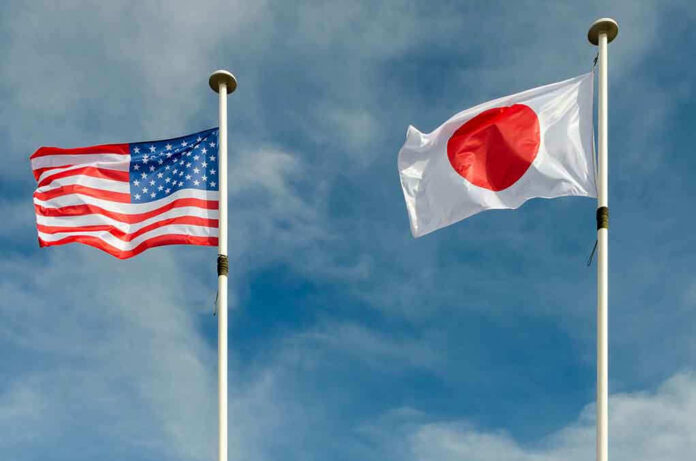
A new US-Japan military strategy places Okinawa on the front lines, sparking fears of a new battlefield.
Story Highlights
- Okinawa is key to US-Japan military strategy, sparking local protests.
- Residents fear becoming a battlefield again, recalling historical trauma.
- Local opposition has intensified, with frequent protests disrupting military drills.
- National security policies clash with local justice and autonomy concerns.
Okinawa’s Strategic Role in US-Japan Defense
Okinawa, a small island in Japan, hosts a significant portion of US military facilities vital for regional deterrence, particularly against China’s growing influence. This strategic position has made Okinawa central to the US-Japan alliance, aiming to stabilize East Asia. However, this military focus has come at a cost to local residents who fear the island’s transformation into a frontline battle zone.
Residents and activists in Okinawa argue that the island has borne an unfair burden, both historically and currently, due to its military significance. The memories of the 1945 Battle of Okinawa, which caused massive civilian casualties, linger as a painful reminder of the island’s past as a battlefield. This has fueled ongoing protests against the continued and expanding US military presence, which many residents feel ignores their concerns and safety.
Local Resistance and Protests
Protests have become a common occurrence in Okinawa, with residents actively opposing military exercises and construction projects, such as the new base at Henoko. These demonstrations, organized by groups like the All Okinawa Conference, highlight the tension between national security imperatives and local autonomy. Recent disruptions, including the halting of military drills in Miyakojima, underscore the depth of local resistance and the challenges it presents to military operations.
The resistance is not just symbolic. Activists have physically blocked military logistics and construction efforts, raising concerns about the effectiveness and readiness of US-Japan military collaborations. This has sparked debates within Japan about the balance between national defense priorities and respecting local demographics and history.
National Policy vs. Local Autonomy
The Japanese government, alongside the United States, continues to prioritize Okinawa as a key player in their strategic military plans. However, this central government approach often overlooks local sentiments, creating a democratic deficit where local voices are marginalized. This has led to a perception of Okinawa being sacrificed for broader geopolitical strategies.
The ongoing local opposition feeds into national debates about Japan’s constitutional constraints and its role in regional security. As Okinawa remains pivotal to these discussions, the island’s future will largely depend on how effectively national strategies can align with local needs and historical context.
Sources:
Anti-Base Protesters Disrupt Miyakojima Defense Drill
Clash in Japan Over New US Military Base on Okinawa
East Asia’s 72-Hour Shock: Japan Stands Firm as China Miscalculates