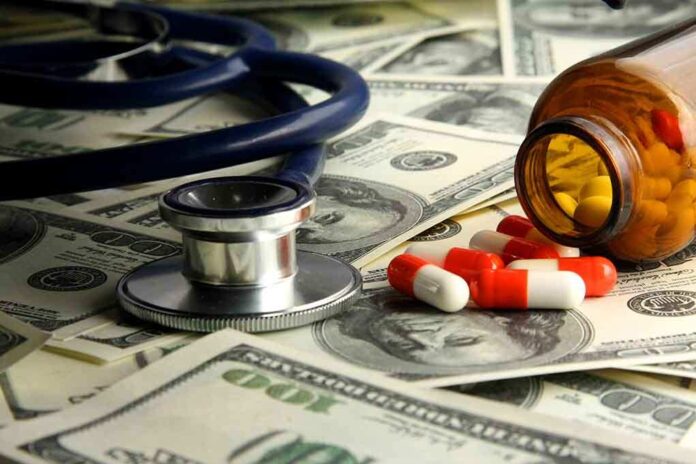
A groundbreaking U.S.-U.K. trade agreement compels the U.K. to raise drug prices by 25% to dodge U.S. tariffs, stirring debates on healthcare and trade policies.
Story Snapshot
- The U.K. has agreed to increase pharmaceutical prices by 25% to avoid U.S. tariffs.
- This move is part of President Trump’s “Most Favored Nation” pricing strategy.
- U.K.-based pharmaceutical companies benefit from tariff exemptions.
- The NHS faces budget strains due to increased drug costs.
U.K.-U.S. Pharmaceutical Trade Agreement Details
On December 1, 2025, the U.S. and U.K. finalized a trade agreement compelling the U.K. to increase pharmaceutical prices by 25% to avoid tariffs on drug imports into the United States. This agreement aligns with President Donald Trump’s “Most Favored Nation” pricing initiative, aiming to balance drug pricing between the U.S. and other developed countries. Unlike the earlier deal with the EU, which imposed a 15% tariff, the U.K. agreement focuses on raising prices directly rather than implementing tariffs.
The agreement specifically targets the National Health Service’s (NHS) purchasing power by eliminating portfolio-wide concessions under existing pricing schemes. This restructuring aims to increase pharmaceutical expenditure in the U.K. and protect U.K.-based pharmaceutical companies from U.S. tariffs, thereby ensuring continued market access.
Implications for the NHS and Pharmaceutical Industry
The NHS will face immediate budget pressures due to the 25% price increase on new medicines. Administrators must find ways to absorb these added costs within existing budgets or seek additional funding. U.K. patients might experience delays in accessing new medications if cost containment becomes a priority. On the other hand, U.K.-based pharmaceutical companies gain immediate tariff protection and market certainty for a minimum of three years.
The agreement sets a precedent for using tariff threats to compel price increases in other nations, possibly encouraging similar demands from the Trump administration toward other trading partners. While the U.K. pharmaceutical industry may enjoy competitive advantages through tariff protection, the NHS could face structural budget challenges if drug prices continue to rise faster than overall healthcare funding.
Economic and Political Ramifications
Economically, the agreement shifts pharmaceutical spending from the U.S. to the U.K., increasing healthcare costs for the NHS while potentially stabilizing revenues for pharmaceutical companies. Socially, higher drug prices in the U.K. might limit patient access to new medicines, raising concerns about health equity. Politically, the deal exemplifies the Trump administration’s strategy of using trade leverage on healthcare policy, setting a precedent for future negotiations. In the U.K., the agreement may attract criticism concerning NHS funding and patient access.
To Avoid Pharma Tariffs, U.K. Agrees to Trump’s Demand to Pay More for Drugs | https://t.co/lmq8hCxeVQ
— WILLIAM JOHNSON (@WilliamJ_news) December 1, 2025
As the pharmaceutical industry globally receives a signal that tariff threats can successfully compel price increases, this may encourage lobbying for similar agreements with other trading partners. The precedent established by both the EU and U.K. deals indicates a broader shift in U.S. trade policy towards leveraging tariffs in healthcare pricing.
Sources:
U.K. Agrees to Boost Drug Spending by 25% to Avoid U.S. Pharma Tariffs
U.K.-U.S. Pharma Deal Payments
Trump Administration Locks Trade Deal Setting U.K. Drug Tariffs to Zero