A macabre discovery in Pennsylvania has exposed a shocking interstate network that allegedly desecrated sacred burial grounds and betrayed families’ trust in medical donation programs, revealing over 100 human skulls displayed like trophies in a collector’s home.
Story Overview
- Pennsylvania man faces state and federal charges after police discovered over 100 human skulls in his residence
- Remains allegedly sourced from desecrated cemeteries and stolen from Harvard Medical School’s morgue
- Federal prosecutors expose multistate trafficking network exploiting regulatory gaps in human remains oversight
- Case highlights institutional vulnerabilities and inadequate protection of burial sites and donated bodies
Shocking Discovery Reveals Desecration Network
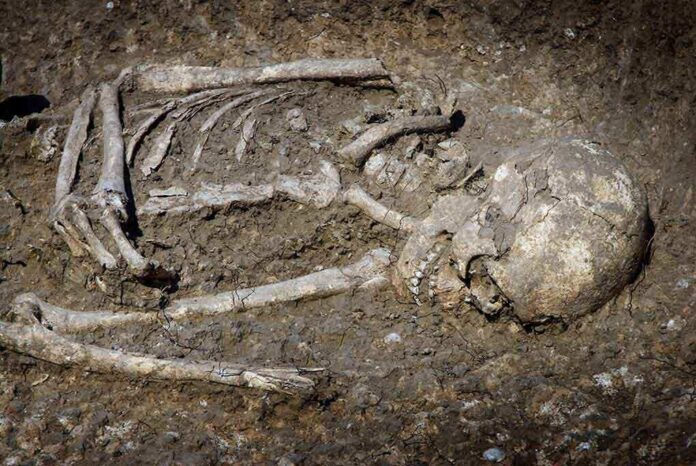
Federal investigators executing a search warrant at a Pennsylvania residence uncovered a disturbing scene that defies comprehension. More than 100 human skulls, spinal columns, and other remains were displayed throughout the home, including in living rooms and bedrooms. The macabre collection represents one of the largest cases of human remains trafficking in recent memory, exposing a network that allegedly violated the sanctity of burial grounds and betrayed families who donated loved ones’ bodies for medical education.
The Pennsylvania suspect faces dual prosecutions under state desecration laws and federal interstate trafficking statutes. State charges include felony institutional vandalism for knowingly desecrating cemeteries and burial facilities, while federal indictments allege conspiracy to transport stolen human remains across state lines. This dual approach demonstrates prosecutors’ recognition that existing laws inadequately address the scope of this alleged criminal enterprise.
Harvard Medical School Morgue Exploitation
The case extends beyond cemetery desecration to include alleged thefts from prestigious institutional programs. Federal prosecutors allege that employees at Harvard Medical School’s morgue and other body donation facilities stole cadavers and body parts intended for legitimate medical research and education. These remains were then allegedly sold to private collectors, including the Pennsylvania suspect, through online marketplaces and encrypted messaging platforms.
Harvard Medical School leadership expressed outrage at the alleged betrayal, describing the conduct as “morally reprehensible” and implementing enhanced security measures including new tracking systems and access controls. The institution faces the challenging task of rebuilding trust with donor families while cooperating with ongoing federal investigations. This exploitation of anatomical gift programs represents a fundamental violation of the sacred trust between institutions and grieving families.
Regulatory Gaps Enable Criminal Enterprise
The case exposes critical weaknesses in federal oversight of human remains markets. While Pennsylvania law strongly protects burial grounds through felony-level desecration statutes, de-identified skeletal remains can circulate with minimal federal regulation. This creates opportunities for illicit diversion from legitimate scientific collections into private hands, where remains are treated as collectibles rather than human beings deserving dignity.
The growing “oddities” culture on social media platforms has normalized the collection of human bones, blurring lines between legitimate anatomical specimens and illicitly obtained remains. Pennsylvania’s legislative assessment of burial grounds law reveals fragmented protection across multiple statutes, complicating law enforcement responses to trafficking cases. This regulatory patchwork allows criminals to exploit jurisdictional gaps while desecrating sacred spaces and violating family trust in donation programs.
Sources:
2017 Connecticut General Assembly Summary – Cemetery and Burial Ground Interference
Pennsylvania Crimes Code – Institutional Vandalism
Pennsylvania Consolidated Statutes – Title 9 Burial Grounds
Pennsylvania Historic and Archaeological Human Remains Assessment 2021
Pennsylvania Historical and Museum Commission – Cemetery Preservation