A San Francisco cable car’s sudden emergency stop injured 15 passengers, exposing yet another dangerous failure in the city’s crumbling public transit infrastructure that puts tourists and residents at serious risk.
Story Highlights
- 15 passengers injured when historic cable car came to abrupt, screeching halt
- Multiple ambulances responded to mass-casualty incident requiring hospital transports
- SFMTA has history of safety violations and $150,000 in fines from state regulators
- Cable car system previously cited for brake failures and unreported accidents
Emergency Response Overwhelms San Francisco Streets
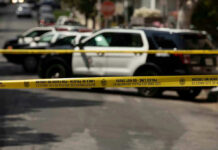
Multiple ambulances and first responders flooded a San Francisco street after a Muni cable car suddenly ground to a screeching halt, throwing approximately 15 passengers around the historic vehicle. The San Francisco Fire Department and emergency medical services rushed victims to area hospitals for treatment of what officials described as minor to moderate injuries. The dramatic scene required emergency crews to tape off the area and temporarily shut down cable car service on the affected line while investigators examined the mechanical failure.
The incident represents a troubling pattern for San Francisco’s Municipal Transportation Agency, which operates the world’s last manually operated cable car system. These vintage vehicles rely on hand-operated grip mechanisms and manual braking systems to navigate the city’s steep hills, making proper maintenance and operator training absolutely critical for passenger safety. When these systems fail, passengers on the open-platform cars become vulnerable to serious injury from sudden stops or mechanical malfunctions.
Regulatory History Reveals Systemic Safety Problems
This latest accident comes against a backdrop of documented safety violations that should alarm anyone who values accountability in public transit. The California Public Utilities Commission fined SFMTA $150,000 in 2013 for safety violations including failure to report accidents and maintain proper safety procedures. State regulators cited seven reportable cable car accidents between 2008 and 2011, including incidents where cars rolled backward or braking systems failed completely.
The problems didn’t end with regulatory action. A 2015 cable car accident on Nob Hill injured seven people after the grip mechanism failed and the car struck a parked truck. By 2019, media reported repeated cable car shutdowns for mechanical issues and emergency brake problems, forcing temporary service suspensions. These recurring failures demonstrate a pattern of inadequate maintenance and oversight that puts public safety at risk while taxpayers foot the bill for settlements and repairs.
Political Leadership Must Demand Accountability
San Francisco’s transportation agency operates under oversight from the California Public Utilities Commission’s Rail Safety Division, yet these accidents continue occurring with alarming frequency. The agency’s track record of under-reporting incidents and documentation gaps, as identified by state regulators, undermines public trust and prevents proper safety accountability. City taxpayers deserve transparent reporting and genuine commitment to passenger safety, not bureaucratic cover-ups and minimal compliance efforts.
The economic impact extends beyond immediate medical costs and legal settlements to include damage to San Francisco’s tourism reputation and potential reduction in visitor spending. When tourists get injured on what’s supposed to be a charming historical experience, it creates negative publicity that affects the entire hospitality sector. Conservative principles of fiscal responsibility and government accountability demand that SFMTA leadership face consequences for these repeated safety failures rather than continuing business as usual with taxpayer-funded operations.
Sources:
Chaos on San Francisco street after cable car slams
15 injured after San Francisco cable car suddenly halts