Iran’s regime is reeling after U.S.-Israeli strikes reportedly killed Supreme Leader Ali Khamenei—yet Iran’s retaliation in the Strait of Hormuz shows the fight is nowhere near contained.
Story Snapshot
- Operation Epic Fury (U.S.) and Operation Roaring Lion (Israel) began February 28 with coordinated strikes on Iran’s leadership, nuclear sites, missile facilities, and security apparatus.
- Multiple reports say Khamenei was killed March 1, accelerating leadership turmoil as an interim structure forms around Iran’s Supreme National Security Council.
- By March 3, the conflict had spread to nine countries, with casualty totals reported in the high hundreds inside Iran.
- March 4 updates include major U.S. naval destruction claims, an IDF air-to-air shootdown, and Iranian attacks on commercial shipping in the Hormuz corridor.
Coordinated Strikes Target Leadership and Strategic Capabilities
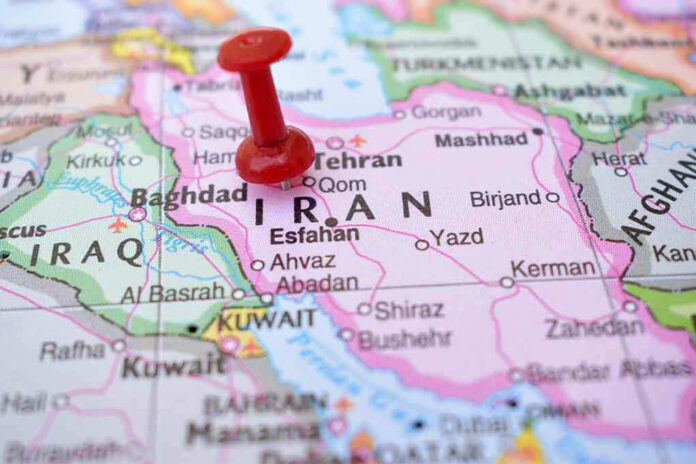
U.S. Central Command and the Israel Defense Forces launched coordinated operations on February 28, striking across Tehran and other major cities while targeting nuclear and missile-related infrastructure. Public timelines describe explosions in Tehran, Isfahan, Qom, and Kermanshah, followed by Iranian missile and drone launches. Iranian casualty reporting escalated quickly from hundreds of killed and injured early on, rising into the high hundreds by March 3 as additional strikes hit multiple locations.
President Trump publicly framed the operation as focused on destroying Iran’s missile, naval, and nuclear capabilities. The available reporting indicates that air defenses were degraded early, reducing Iran’s ability to contest follow-on strikes. Analysts tracking the campaign have emphasized the breadth of targets, suggesting a deliberate effort to dismantle both the regime’s command structure and the hardware needed to project force—especially missiles, drones, and naval assets that threaten U.S. partners and international shipping.
Khamenei’s Death Forces a Fast, Uncertain Succession Picture
Multiple timelines state Iran’s Supreme Leader Ali Khamenei was confirmed killed on March 1, with a 40-day mourning period declared. Reporting also indicates a significant number of Iranian officials were killed during the opening phase, which compounds uncertainty for Tehran’s decision-making. The interim power picture described in the research points to Iran’s Supreme National Security Council, with Ali Larijani referenced as part of the interim leadership arrangement.
From a U.S. perspective, decapitating a hostile regime’s top leadership can compress the war’s timeline by disrupting coordination and slowing retaliation decisions. At the same time, the reporting underscores that Iran’s proxy and missile networks can continue operating even as leadership reshuffles. That tension—reduced centralized control but persistent capability to lash out—helps explain why the conflict widened rapidly beyond Iran and Israel, even as Iran’s rate of missile barrages reportedly dropped.
Retaliation Spreads Across the Region as Nine Countries Get Pulled In
By March 3, the conflict was described as involving nine countries, reflecting the Middle East reality that wars rarely stay “local” when Iran’s network of proxies and regional basing is involved. The timeline reporting includes Hezbollah rocket attacks from Lebanon and impacts reaching Gulf states, including Bahrain. Those events align with longstanding patterns: Iran leans on partners and proxies to pressure Israel while complicating U.S. posture across the Gulf.
Some Iranian claims—such as strikes that allegedly damaged U.S. assets or radar—are reported as denied by the United States, illustrating the fog-of-war problem that often fuels misinformation and escalatory pressures. For American families watching from home, the practical takeaway is simpler: even when U.S. and allied forces hit targets successfully, Iran’s response tends to seek symbolic wins, asymmetric attacks, and regional disruption meant to change political calculations rather than win conventional battles.
Hormuz Shipping Attacks Raise the Stakes for Energy and Trade
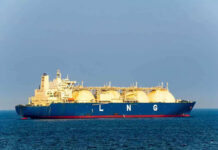
March 4 updates include reports that Iran sank multiple commercial vessels in the Strait of Hormuz and struck at least one ship near Muscat, while President Trump vowed escorts for shipping. That is a crucial escalation because Hormuz is a global economic chokepoint. When commercial traffic is attacked, insurance costs rise quickly and shippers reroute when they can, which can ripple into energy pricing and broader inflation pressures that many American households still remember from the fiscal mismanagement era.
Pentagon Vows No Letup as Iran War Enters Fifth Day — and Sleeper Cell Fears Come Home to Canada https://t.co/P4b3B9cyxk
— Oh Canada ! (@MoleskiDorothy) March 4, 2026
At the same time, the military picture in the research points to heavy damage inflicted on Iranian naval assets, including reports that U.S. forces destroyed numerous Iranian ships and a submarine. The net effect is a familiar, high-risk pattern: Iran uses disruption as leverage even when it is losing equipment, while the U.S. and allies try to keep sea lanes open without getting dragged into a long, unfocused commitment. Several outlets also describe shifting public discussions around objectives and timeline, an issue that becomes politically consequential if the war expands further.
Sources:
Iran Update Evening Special Report, March 3, 2026 (Institute for the Study of War)
As Trump justifies Iran war, goals and timeline keep shifting
The objectives and timeline of the U.S. operation in Iran
Timeline: U.S.-Israel strike on Iran escalates into regional conflict
Timeline of the 2026 Iran conflict
Iran Update Evening Special Report, March 2, 2026
Israel believes Iran war could last months, testing U.S. resolve
Iran Update Evening Special Report, March 1, 2026