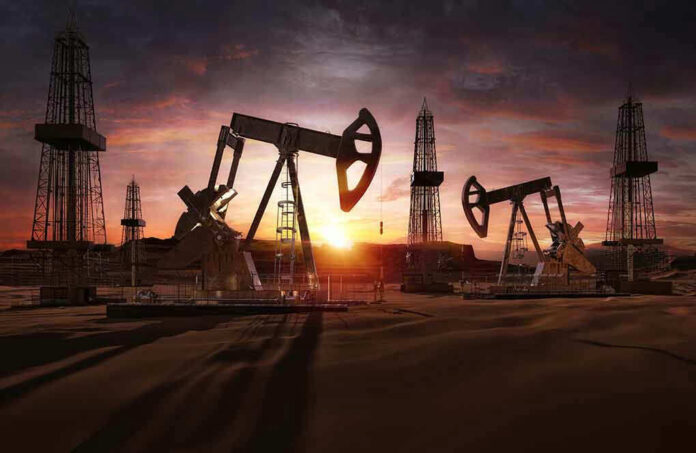
America’s most productive oil field has become a geological time bomb, with toxic wastewater injection creating underground pressures so extreme that abandoned wells are erupting like geysers across West Texas.
Story Snapshot
- Permian Basin produces half of U.S. crude but generates 3-6 barrels of toxic saltwater per barrel of oil
- Underground pressure exceeds safe limits at 0.7 psi per foot, causing 100-foot geysers and well blowouts
- Earthquake concerns forced shift from deep to shallow injection, creating new surface contamination risks
- Texas regulators imposed stricter 2025 limits while operators spend millions plugging damaged wells
When Oil Success Becomes Geological Mayhem
The Permian Basin stretches across West Texas and southeast New Mexico like an industrial heartland pumping liquid gold. This geological wonder produces nearly half of America’s crude oil, making it the crown jewel of domestic energy independence. Yet beneath this success story lies a mounting crisis that threatens the very foundation of our energy security.
Every barrel of oil extracted now comes with an unwanted companion: three to six barrels of toxic, briny wastewater that must go somewhere. This saltwater, contaminated with chemicals and naturally occurring radioactive materials, cannot simply evaporate or flow into rivers. The industry’s solution has been straightforward: pump it back underground through injection wells scattered across the basin like industrial acupuncture needles.
The Underground Pressure Crisis Explodes to Surface
What seemed like an elegant waste disposal solution has transformed into an engineering nightmare. Underground pressures now reach 0.7 pounds per square inch per foot of depth, far exceeding the 0.5 psi safety threshold established by petroleum engineers. These extreme pressures don’t respect property lines or well casings, especially in aging infrastructure dating back decades.
Crane County witnessed this crisis firsthand when a spectacular 100-foot saltwater geyser erupted from an abandoned Chevron well in 2022. The cleanup cost millions, but the underlying pressure remained. Two years later, the same geological stress found another outlet, causing water to ooze from a nearby well for 53 days before regulators finally intervened with a $2.5 million plugging operation.
Regulatory Whiplash Creates New Problems
The crisis deepened when earthquake swarms began rattling communities hundreds of miles away in Dallas and El Paso. Magnitude 5+ tremors traced back to deep wastewater injection forced the Texas Railroad Commission to restrict deep disposal in 2021. Operators responded by redirecting their waste streams to shallow reservoirs, inadvertently creating the surface contamination problems plaguing the region today.
This regulatory whiplash illustrates the impossible choices facing energy regulators. Deep injection triggers earthquakes that can damage urban infrastructure hundreds of miles away. Shallow injection creates a geological pressure cooker that threatens groundwater supplies and causes spectacular surface failures. New Mexico’s tighter disposal rules have pushed even more volume across state lines into Texas, amplifying the pressure on an already strained system.
Economic Reality Meets Geological Physics
The Permian’s wastewater crisis reveals the brutal mathematics of mature oil fields. As wells age, they produce increasingly wet crude, forcing operators to manage ever-larger volumes of toxic brine. The industry now injects billions of barrels annually into formations that were never designed for such volumes, creating what University of Texas researchers describe as uncontrolled fluid migration.
Greg Perrin, who manages groundwater resources in Reeves County, calls injection wells his “number one thing that keeps me up at night.” His concerns reflect broader anxiety among local officials who lack the regulatory authority to protect their communities from contamination originating in adjacent counties. The sparse population of West Texas may limit immediate social disruption, but groundwater contamination in this arid region could prove catastrophic for future development.
Sources:
Toxic Wastewater Turns US Largest Oil Field Into a Pressure Cooker