A viral showdown in Munich exposed how fast “Western unity” collapses when Trump-era realism clashes with the EU’s culture-first politics.
Story Snapshot
- Czech Deputy PM and Foreign Minister Petr Macinka sparred publicly with Hillary Clinton during the Munich Security Conference on Feb. 14, 2026.
- The panel discussion on Ukraine and Western cohesion veered into fights over Trump’s approach, “woke” ideology, gender politics, and climate policy.
- Czech opposition leaders blasted Macinka’s performance as an international embarrassment, while conservative voices praised him for pushing back.
- EU officials and Poland’s foreign minister defended EU legitimacy and warned against what they called “anti-EU disinformation.”
Munich Panel Turns Into a Proxy War Over Trump and the West
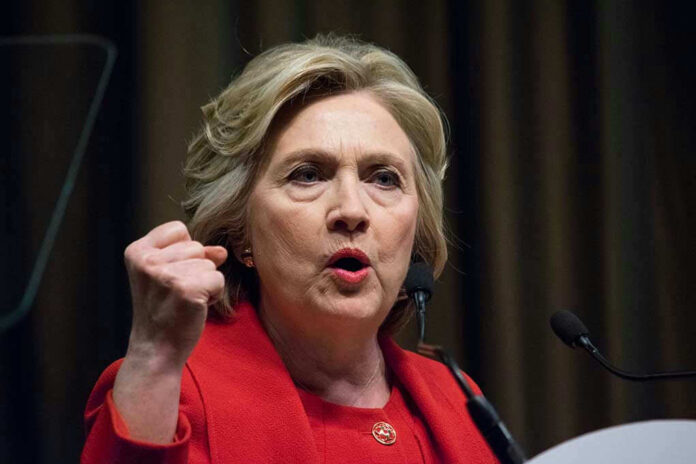
Munich Security Conference organizers put former Secretary of State Hillary Clinton in the moderator’s seat for a session titled “The West–West Divide,” and the title proved prophetic. On Feb. 14, 2026, Czech Deputy Prime Minister and Foreign Minister Petr Macinka and Polish Foreign Minister Radosław Sikorski joined the panel as debate over Ukraine widened into a dispute about President Trump’s policies and Western identity. Video of the exchange spread rapidly online, turning a diplomatic forum into viral political theater.
Reporting summarized in the provided research indicates the argument began with Western support for Ukraine, then escalated into broader accusations and counter-accusations over Trump’s worldview, the EU’s direction, and domestic cultural priorities. The research also flags a key limitation: headlines and clips often frame the moment as one side “destroying” the other, while longer write-ups portray a messier, multi-party argument featuring Clinton, Macinka, and Sikorski pressing competing points rather than a clean “winner.”
Ukraine Strategy and the Ceasefire Fault Line
The dispute matters because it highlights a real policy split: whether the West is aiming for Ukrainian victory, a negotiated settlement, or some form of ceasefire first. The research notes that Macinka publicly expressed doubt that Ukraine could defeat Russia militarily and argued that a ceasefire would be “the first step.” At the same time, the research says Czech President Petr Pavel has warned against “Munich spirit” peace deals made without Ukrainian input, citing Czechia’s ammunition initiative delivering more than 4 million shells.
Those two positions—ceasefire-first versus warning against premature deals—show why the panel struck a nerve across Europe and in the U.S. For conservative Americans watching from home, the practical question is not whether emotions ran high onstage, but what policies follow: who pays, how long commitments last, and which institutions call the shots. The available research does not provide a detailed end-state plan from Macinka beyond the ceasefire framing, so the longer-term policy implications remain partly undefined.
EU Legitimacy vs. Populist Pushback
Poland’s Sikorski reportedly took a “civics lesson” approach, defending EU institutional legitimacy and explaining that government authority flows through parliamentary and institutional processes rather than celebrity-style popularity contests. Czech European Commissioner Jozef Síkela also weighed in after the exchange, thanking Sikorski for rebutting what he described as “anti-EU disinformation nonsense.” EU High Representative Kaja Kallas responded publicly as well, disputing claims that “woke decadent” Europe faces civilizational erasure.
For Americans concerned about sovereignty and constitutional limits, that EU reaction is worth watching even if the debate happened overseas. When officials answer criticism by labeling it “disinformation,” the line between correcting facts and policing dissent can blur quickly. The research presented here does not document censorship actions tied to this incident, but it clearly shows the rhetorical posture: institutional leaders defending centralized authority and framing critics as illegitimate or reckless—language that often precedes heavier-handed governance.
Czech Domestic Blowback Shows the Political Stakes
The sharpest immediate consequences landed back in Prague. Czech opposition figures moved quickly to condemn Macinka, arguing he harmed the country’s reputation on a major international stage. STAN chairman Vít Rakušan reportedly called the episode a “Munich embarrassment” and described Macinka’s performance as a poor “calling card” for Czechia. ODS chairman Martin Kupka reportedly mocked Macinka as “a boxer from the district championship,” implying he lacked seriousness for world-class diplomacy.
“You Really Don’t Like Trump” – Czech Politician DESTROYS Hillary Clinton At Munich Conference https://t.co/3jKQZv974c
— NA404ERROR (@Too_Much_Rum) February 16, 2026
The research also reports Macinka defended the panel as one of the conference’s liveliest discussions and was scheduled to meet Sikorski in Warsaw on Feb. 16, suggesting both sides still intended to conduct business despite the public friction. In the U.S., conservative-aligned commentators and figures, including Barron Trump per the research summary, praised Macinka’s willingness to confront progressive orthodoxies directly. That split reaction underscores why the clip went viral: it packed Ukraine policy, culture-war flashpoints, and Trump-era realignment into one stage-managed moment.
Sources:
What happened in Munich: Macinka’s viral Clinton moment exposes a divided Czechia
Hillary Clinton clashes with Czech leader over Trump policies at Munich Security Conference
Czech FM clashes with Hillary Clinton over gender revolution and climate alarmism