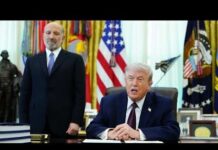
Defense Secretary Pete Hegseth fires the Army’s top general mid-Iran war, sparking fears of command chaos as Trump promises a quick end to the conflict America never wanted.
Story Snapshot
- Hegseth relieves Gen. Randy A. George of Army Chief duties on April 2, 2026, amid U.S. strikes on Iran.
- Gen. Christopher C. LaNeve steps in as acting chief; two other Army generals also asked to retire.
- No official reason given, but tensions over “woke” promotions and Biden-era holdovers fuel the move.
- War disrupts Strait of Hormuz, driving up energy prices and testing Trump’s no-new-wars pledge.
- Congress eyes scrutiny as MAGA base questions endless foreign entanglements.
Wartime Leadership Purge Unfolds
On April 2, 2026, Defense Secretary Pete Hegseth ordered Army Chief of Staff Gen. Randy A. George to retire immediately during a decisive phase of the U.S.-Israel war with Iran. Pentagon spokesperson Sean Parnell confirmed the change, noting Gen. Christopher C. LaNeve assumes acting duties. Hegseth also directed Gen. David Hodne and Maj. Gen. William Green Jr. to step down. This marks the highest-ranking wartime ouster since U.S. operations began in late February 2026. The timing raises stability concerns as strikes target Iran and secure shipping lanes.
Tensions Over Personnel and Strategy
Gen. George, a West Point 1988 graduate with Iraq and Afghanistan experience, took the Army Chief role in 2023 under Biden. Hegseth, a Trump appointee, clashed with George and Army Secretary Daniel P. Driscoll over promotions, strategy, and personnel decisions. Reports highlight blocks on officers seen as Biden-aligned, including Black and female candidates prioritized for diversity. Initial February 2026 firings spared George but hit Navy and Air Force leaders like Adm. Lisa Franchetti and Gen. Charles Q. Brown. This purge totals over a dozen senior officers, signaling Hegseth’s drive to align the military with Trump’s vision.
War Context and Trump’s Optimism
U.S. operations against Iran escalated from late February 2026, entering a new phase with strikes inside Iran and ally efforts to protect the Strait of Hormuz. Disruptions threaten global energy supplies, hiking costs at home and fueling frustration among conservatives weary of high prices and foreign wars. President Trump addressed the nation, predicting the conflict ends “very shortly.” The Pentagon emphasizes operational continuity despite the leadership shift, with no disclosed changes to ongoing missions. LaNeve, described as battle-tested and trusted by Hegseth, rose quickly from Eighth Army command.
Impacts on Troops, Economy, and Readiness
Short-term risks include command instability during volatile combat, potentially affecting planning and alliances. U.S. troops in the Iran theater face uncertainty, while energy market disruptions from Strait volatility hit American families hardest. Long-term, the moves set a precedent for politicized leadership, eroding trust in merit-based promotions and military readiness. Social tensions arise from diversity-focused blocks, clashing with conservative values of individual achievement over quotas. Congress, via Armed Services committees, prepares probes into the overhaul’s effects.
Expert Views Divided on Overhaul
U.S. officials describe long-running personnel tensions without strategy disagreements. Pro-Hegseth perspectives praise installing loyalists like LaNeve to execute the administration’s vision and counter woke influences. Critics warn the timing politicizes wartime command, delaying qualified leaders and risking operations. Military outlets stress readiness concerns amid turnover. The Pentagon remains silent on operational impacts, leaving questions about full motives inferred from promotion clashes.
Sources:
Top Army General Relieved of Duties in Midst of Iran War
After US Army Chief of Staff, Pete Hegseth asks two top military officers to step down
Hegseth fires US Army chief of staff, sources say, shaking up Pentagon amid Iran war