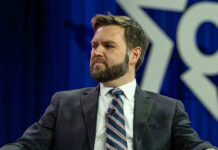
Conservative commentator Rob Finnerty sparked a firestorm by denouncing the 2026 Met Gala as a gathering of “phony liberal elites” whose virtue-signaling contradicts their attendance at a $75,000-per-ticket extravaganza celebrating wealth and exclusivity.
Story Snapshot
- Finnerty called out billionaire co-chair Jeff Bezos and celebrities for hypocrisy, attending an ultra-exclusive event while preaching progressive values
- Activist groups organized boycotts and protests targeting Bezos over Amazon’s labor practices, ICE contracts, and his perceived shift toward Trump
- Left-wing outlets labeled the event the “Met Gala’s MAGA problem,” fracturing traditional alliances between tech billionaires and progressives
- The gala’s shift from fashion fundraiser to elite spectacle exposes a deepening divide between wealthy elites and working Americans struggling with economic hardship
Elite Hypocrisy on Full Display
Rob Finnerty’s May 5, 2026 broadcast dissected the Met Gala as a symbol of everything ordinary Americans distrust about the ruling class. The event, held at New York’s Metropolitan Museum of Art, featured tickets exceeding $75,000 and a guest list curated by Vogue’s Anna Wintour. Finnerty highlighted the absurdity of celebrities wearing “Tax the Rich” messages while dining at tables costing more than most families earn in two years. His critique referenced Rep. Alexandria Ocasio-Cortez’s 2021 appearance in a designer gown bearing that slogan at a similar $100,000-per-plate dinner, underscoring how progressive messaging often rings hollow when delivered from inside palaces of privilege.
The 2026 theme, “Costume Art,” asked whether fashion qualifies as art, but critics noted the real question was whether attendees understand how disconnected they appear. Fashion insiders described the theme as predictable and uninspired, reflecting a gala that has devolved from celebrating design craftsmanship into showcasing how much wealth one can display. This transformation mirrors broader frustrations across the political spectrum about elites who lecture Americans on inequality while hoarding resources and opportunities for themselves, creating a system rigged against working families trying to climb the economic ladder through honest effort.
Bezos Backlash Unites Left and Right
Jeff Bezos’s selection as honorary co-chair alongside his fiancée Lauren Sánchez Bezos ignited protests from unexpected quarters. The Amazon founder, worth over $200 billion according to Forbes, faced boycott campaigns from labor activists condemning warehouse working conditions, union-busting allegations, and contracts with Immigration and Customs Enforcement. Left-wing outlets like Mother Jones framed Bezos’s involvement as the gala’s “MAGA problem,” citing his perceived alignment with President Trump’s administration after years of positioning himself as a progressive patron. This backlash illustrates how tech billionaires who once enjoyed progressive credibility now face scrutiny from their former allies.
Meanwhile, conservatives see validation in watching the left turn on one of its own. Bezos represents the kind of elite figure both sides increasingly distrust: a billionaire who profits from government connections, exploits workers through corporate loopholes, and shifts political allegiances based on business interests rather than principle. Activist groups plastered Manhattan with protest posters ahead of the May 4 event, and social media campaigns trended #BoycottMetGala. These cross-ideological frustrations suggest Americans recognize that whether elites call themselves progressive or conservative matters less than their shared interest in maintaining power while ordinary citizens struggle with inflation, stagnant wages, and diminishing opportunities.
Cultural Divide Deepens as Gala Loses Prestige
The Met Gala originated in 1948 as Eleanor Lambert’s modest fundraiser for the Metropolitan Museum’s Costume Institute, raising money to preserve fashion history and art. Under Anna Wintour’s stewardship since 1995, it morphed into a celebrity spectacle raising over $22 million annually, blending philanthropy with brand promotion and social positioning. However, the 2026 edition faced criticism that it has abandoned any pretense of serving the public good, instead functioning as self-congratulatory theater for the ultra-wealthy. Fashion critics noted co-chair Lauren Sánchez Bezos epitomizes this shift, wearing “expensive clothing without craftsmanship” that prioritizes price tags over artistry.
‘A room full of phony liberal elites’: Finnerty slams 2026 Met Gala https://t.co/mvSI3hv0LZ via @YouTube
— David Thomits (@ThomitsDavid) May 6, 2026
Post-event analyses described the gala as feeling “OFF,” with observers noting lower celebrity enthusiasm and heightened awareness of optics problems. The controversy reflects a broader cultural reckoning: Americans across the political spectrum increasingly question institutions that claim to serve noble purposes while primarily benefiting elite insiders. Whether it’s media corporations, government agencies, or philanthropic galas, citizens recognize patterns of self-serving behavior disguised as public service. Finnerty’s viral critique resonated because it articulated what millions already suspected—that these events exist not to advance culture or charity, but to allow the powerful to celebrate themselves while pretending moral superiority over the Americans whose hard work actually sustains the nation.
Sources:
Dissecting the 2026 Met Gala theme – Substack
2026 Met Gala Controversy – Marie Claire