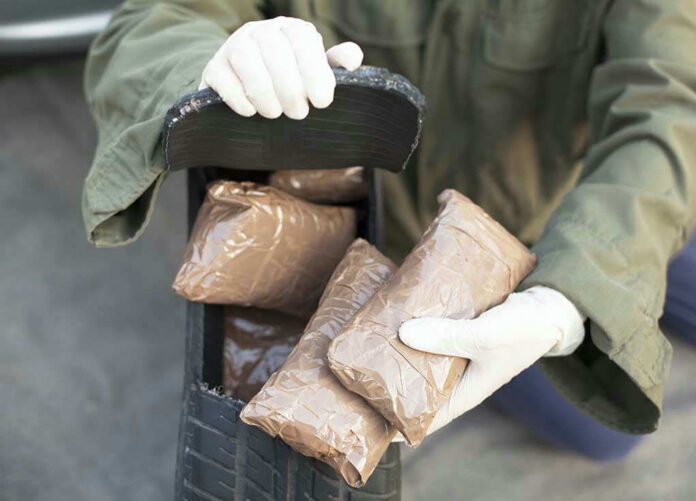
The U.S. Department of Justice has indicted a sitting Mexican governor for allegedly conspiring with the Sinaloa Cartel to flood American streets with deadly fentanyl and other narcotics, marking an unprecedented escalation in the fight against cartel corruption infiltrating foreign governments.
Story Snapshot
- Rubén Rocha Moya, Governor of Sinaloa since 2021, faces federal drug trafficking and weapons charges in Manhattan federal court
- Nine additional current and former Mexican officials, including a sitting senator, charged in conspiracy with sons of “El Chapo” Guzmán
- Prosecutors allege cartel kidnapped and intimidated Rocha’s political rivals to secure his 2021 election victory in exchange for protection
- None of the defendants are in U.S. custody; Mexico contests jurisdiction and claims insufficient evidence
- Charges carry mandatory 40-year minimum sentences and potential life imprisonment for facilitating massive drug imports into U.S. communities
Cartel’s Strategic Political Infiltration
Federal prosecutors unsealed charges on April 29, 2026, accusing Rubén Rocha Moya of striking a corrupt bargain with the “Chapitos” faction of the Sinaloa Cartel—sons of imprisoned kingpin Joaquín “El Chapo” Guzmán. According to the indictment, cartel operatives kidnapped and intimidated Rocha’s political opponents during the 2021 gubernatorial race to ensure his victory. In return, Rocha allegedly promised the cartel protection to operate freely in Sinaloa while trafficking fentanyl, heroin, cocaine, and methamphetamine into the United States. This represents a calculated evolution from traditional bribery to systematic institutional capture at the state level.
Unprecedented Diplomatic Challenge
The charges against a sitting governor mark the first known indictment of its kind by U.S. authorities, creating immediate diplomatic tension with Mexico. U.S. Attorney Jay Clayton and DEA Administrator Terrance C. Cole announced the indictment as part of the Trump administration’s intensified anti-cartel strategy. DEA Administrator Cole characterized the Sinaloa Cartel as “a designated terrorist organization that relies on corruption and bribery to drive violence and profit,” emphasizing the charges expose “a deliberate effort to undermine public institutions and put American lives at risk.” The case signals Washington’s determination to hold corrupt foreign officials accountable for enabling the deadly drug crisis devastating American communities.
Mexico Contests Jurisdiction and Evidence
Governor Rocha categorically rejected the accusations on social media, declaring they “lack any truth or basis whatsoever” and violate Mexico’s sovereignty. Mexico’s Foreign Ministry received extradition requests on April 28, 2026, but contested the documents, claiming they lack sufficient proof of the accused officials’ involvement. The Mexican government’s position reflects broader concerns about U.S. jurisdiction over sitting state officials and highlights fundamental disagreements between the two nations over institutional autonomy. None of the ten defendants—including Morena party Senator Enrique Inzunza Cazarez—were in custody at the time charges were announced, raising questions about Mexico’s willingness to arrest or extradite them.
Exposing Deep State Corruption
The indictment reveals a disturbing reality frustrating Americans across the political spectrum: government institutions infiltrated and controlled by criminal organizations prioritizing profit over public safety. The alleged scheme involved a hierarchical corruption network with cartel leaders at the top, followed by the governor and high-ranking officials providing institutional protection, down to law enforcement officers facilitating drug shipments. This systematic capture of democratic institutions undermines the rule of law and enables the flow of deadly narcotics that claimed over 100,000 American lives in recent years. For citizens already skeptical of political elites and “deep state” actors, this case confirms fears that corruption extends beyond domestic borders to foreign officials whose actions directly harm American families.
Implications for Border Security and Rule of Law
The charges carry mandatory minimum sentences of 40 years and potential life imprisonment, reflecting the severity of enabling industrial-scale drug trafficking into U.S. communities. The case is assigned to U.S. District Judge Katherine Polk Failla in Manhattan. Beyond immediate legal consequences, the indictment establishes precedent for prosecuting sitting foreign officials whose corruption threatens American security. However, diplomatic tensions and Mexico’s resistance to extradition may complicate efforts to bring defendants to trial. The situation underscores persistent challenges Americans face: a porous southern border, cartel violence enabled by corrupt officials, and federal government struggles to protect citizens from transnational criminal organizations. Whether this unprecedented legal action signals meaningful progress or merely highlights institutional dysfunction remains to be seen.
Sources:
The Whistler: U.S. Charges Mexican Governor, Nine Officials With Drug Trafficking
KJZZ: U.S. DOJ Charges Mexican Governor and 9 Others with Drug Trafficking Offenses
Times Now News: Ruben Rocha Moya: US Indicts Mexico Sinaloa Governor, Alleges Ties to El Chapo Sons
LA Times: U.S. Indicts Mexican Governor on Drug Trafficking Charges