Venezuela’s sudden “amnesty” is freeing some political prisoners—but the carve-outs and conditions are raising a red flag about whether real justice is finally arriving or just being managed.
Story Snapshot
- Venezuela’s National Assembly unanimously approved an amnesty law on February 20, 2026, signed the same day by interim president Delcy Rodríguez.
- The law could clear the way for hundreds of political prisoners to be released, after years of official denial that political prisoners even existed.
- Major exclusions remain, including many military detainees accused of “rebellion” and people accused of promoting foreign intervention.
- More than 200 inmates reportedly launched a hunger strike on February 24, signaling confusion and mistrust over who actually qualifies.
What the New Amnesty Law Does—and Why Timing Matters
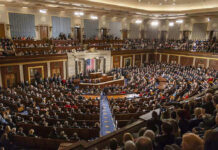
Venezuela’s National Assembly passed a sweeping amnesty law on February 20, 2026, and interim president Delcy Rodríguez signed it immediately. The measure is framed as national reconciliation after years of political repression and polarization. The timing is inseparable from the country’s abrupt power shakeup following the January 3 U.S. military raid that captured former president Nicolás Maduro, setting off a fast-moving political transition and an effort to reset Venezuela’s international standing.
The law is retroactive to 1999, reaching back across multiple waves of unrest and state crackdowns, from early Chávez-era conflicts through the more recent turmoil tied to Maduro’s disputed reelection. Lawmakers also created a 23-member parliamentary commission tasked with overseeing how the amnesty is applied. Even with a unanimous vote, the legislation reflects a negotiated compromise, not a clean break from the old system that weaponized courts and charges against dissent.
Who Gets Freedom, Who Stays Behind, and Why Exclusions Matter
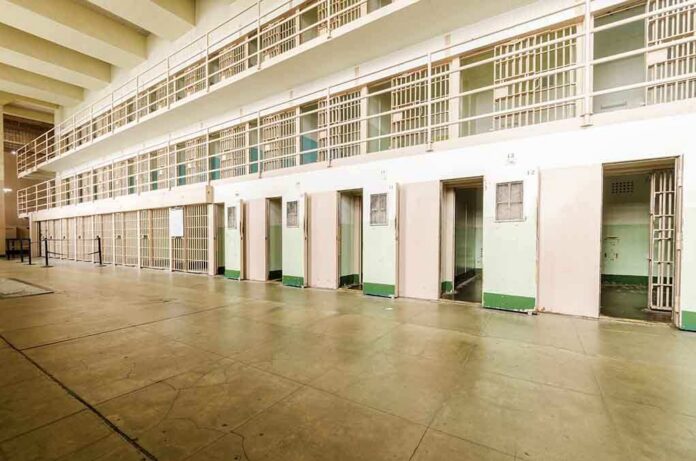
Reports indicate roughly 444–450 prisoners have been released since early January, but more than 600 political prisoners are still believed to be detained. The amnesty law is designed to accelerate releases and restore political rights for some beneficiaries, including the ability to return to public life. However, the law also draws hard lines: about 174 military detainees accused of rebellion are explicitly excluded, limiting the reach of the supposed national “reset.”
Another exclusion targets those accused of encouraging foreign military intervention. That matters because it can be interpreted broadly in a country where speech and political activism have long been criminalized. The research also notes that opposition figure María Corina Machado is among those reportedly excluded on that basis. For families watching loved ones remain jailed while others are released, exclusions like these can turn “amnesty” into a tool of selective control rather than a principled correction of wrongful imprisonment.
The Hunger Strike Signals a Credibility Crisis in Implementation
On February 24, more than 200 inmates reportedly began a hunger strike to demand benefits under the new law. That development points to a central problem: passage is not the same as implementation. If detainees believe eligibility is uncertain—or that authorities will delay, narrow, or politicize decisions—pressure shifts back to the prisons. A hunger strike is also a warning sign that Venezuela’s justice system still lacks trust after years of politicized prosecutions.
Human Rights Warnings: Reconciliation vs. Accountability
Human rights monitors and international experts have offered cautious assessments. Foro Penal, a leading Venezuelan human rights organization, described the legislation as progress but flawed, urging broader releases and the return of exiles. UN human rights experts emphasized that the law should focus on victims of human rights violations and must exclude those accused of serious human rights abuses and crimes against humanity. Those cautions reflect a core tension: amnesty can free dissidents, but it can also be misused to shield perpetrators.
What U.S. Observers Should Watch Next
For Americans who care about basic liberty and the rule of law, Venezuela’s amnesty story is a reminder that rights can vanish quickly when courts become political weapons. The available reporting says Rodríguez pushed the law amid international pressure, including from Washington, suggesting external leverage is shaping decisions. The real test will be measurable follow-through: how many additional detainees are released, whether exclusions are reviewed, and whether the same justice system that enabled repression is reformed.
Key details remain unclear in public reporting, including exact prisoner counts, the timeline for releases under the new law, and how disputed categories will be interpreted. If the commission process is transparent and releases expand beyond symbolic figures, the law could begin restoring political space. If not, Venezuela may simply be rebranding old power habits under a new label—while families and prisoners pay the price for “reconciliation” that stops short of real freedom.
Sources:
Venezuela parliament unanimously approves amnesty law
Venezuela’s National Assembly gives unanimous approval to amnesty bill
Venezuela approves amnesty for likely release of hundreds of political prisoners
More than 200 inmates launch hunger strike to seek benefits under Venezuela’s new amnesty law