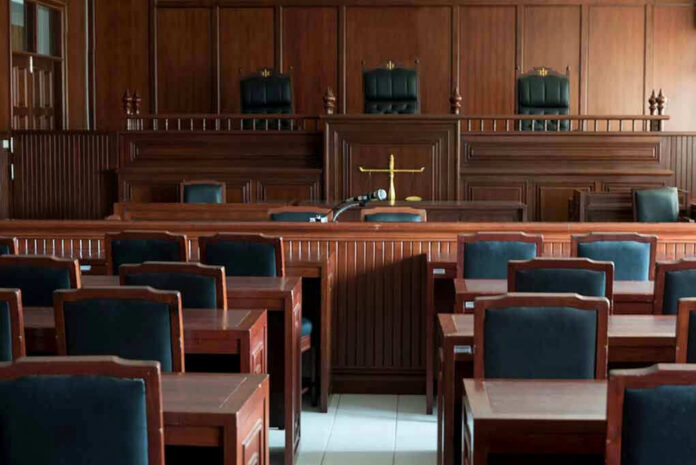
A Utah judge’s decision to allow live cameras in the trial of Charlie Kirk’s accused killer spotlights the clash between courtroom transparency and fears of a tainted jury, raising doubts about whether public broadcasts serve justice or fuel division in a polarized nation.[1][2]
Story Snapshot
- Judge Tony Graf ruled on May 8, 2026, to permit news outlets to film, photograph, and livestream Tyler Robinson’s murder trial, denying the defense’s ban request.[1][2]
- Prosecutors and Kirk’s widow Erika Kirk backed cameras to combat conspiracy theories swirling since Kirk’s September 10, 2025, assassination.[1][2]
- Defense argued heavy media coverage biases jurors, citing expert testimony on unconscious bias from social psychologist Brian Edelman.[3][4]
- Graf tightened camera rules after prior media violations, moving equipment to the courtroom rear to limit close-ups.[1][2]
- The ruling balances public access with fairness amid non-DNA evidence like surveillance video and a confession note.[2]
Judge Rejects Defense Motion for Camera Ban
State District Judge Tony Graf issued his ruling on Friday, May 8, 2026, in Provo’s Fourth District Court. He denied Tyler Robinson’s request to bar cameras and microphones from the aggravated murder trial. Robinson, 22, faces the death penalty for the fatal shooting of conservative activist Charlie Kirk.[1][2] Graf stated the defense failed to overcome the presumption of electronic media coverage.[1]
Graf previously rejected defense efforts to seal transcripts in December 2025. He affirmed transparency as foundational to the judicial system. This consistent stance prioritizes open proceedings despite the case’s national profile.[2]
Prosecution and Media Push for Open Proceedings
Utah County prosecutors advocated for cameras to ensure an open and transparent trial. They argued publicity fosters public trust amid conspiracy theories on social media. Chief Deputy Chad Grunander noted not all theories harm the defense.[1][2] Kirk’s widow, Erika Kirk, joined media organizations in supporting access.[1]
Prosecutors highlighted evidence beyond DNA, including surveillance video and a handwritten confession note Robinson allegedly left for his partner. This bolsters their call for public confidence through visible proceedings.[2] The stance counters defense claims by emphasizing “mischief lurks in the dark.”[2]
Defense Cites Media Bias and Prior Violations
Robinson’s attorneys filed a motion in January 2026 to exclude television cameras, microphones, and photographers. They argued sensational coverage from press conferences by political leaders threatens a fair jury.[3][4] Expert Brian Edelman testified on unconscious bias from pretrial publicity.[3]
Graf addressed past issues by relocating pool cameras behind Robinson after violations. Media captured his shackles and attorney close-ups, breaching orders. Operators now acknowledge rules before entering.[1][2] Hearings lasted nearly seven hours on Friday, also delaying the preliminary hearing.[1]
A Utah judge has allowed cameras in the trial of Tyler Robinson, accused of killing Charlie Kirk. Despite defense concerns about media bias, the judge sided with transparency advocates. The trial date remains unset as pre-trial hearings continue. … https://t.co/V2xVbjH0Nk
— Newsradio WTAM 1100 (@wtam1100) May 9, 2026
The case reflects broader tensions in American courts. A 2022 National Center for State Courts study of 150 televised trials found judges allow cameras in 85% of high-profile cases with safeguards like pooled coverage. Pretrial publicity challenges impartial juries in 40% of instances.[1] This ruling underscores frustrations with elite-driven media narratives that many Americans see as eroding trust in institutions, whether from the left decrying bias or the right fearing cover-ups.
Sources:
[1] Charlie Kirk murder: Judge rules cameras allowed in courtroom for Tyler Robinson trial
[2] Judge to rule Friday whether Charlie Kirk murder case can be filmed, photographed