Dozens of masked teens stormed a Los Angeles 7-Eleven in a daylight flash‑mob robbery, bragged on video that cameras couldn’t catch them, and exposed exactly what years of soft‑on‑crime, anti-police politics have done to America’s cities.
Story Snapshot
- Dozens of teenagers looted a downtown Los Angeles 7-Eleven in a coordinated daylight flash-mob attack, with at least one suspect pointing a gun at a clerk.
- Criminals filmed themselves, posted the footage online, and boasted that cameras could not identify them, signaling open contempt for law and order.
- This robbery is the latest in at least 14 flash-mob 7-Eleven takeovers across Los Angeles County since mid‑2025, many involving the same style of organized juvenile mobs.
- Retailers and workers are paying the price, while prosecutors and policymakers debate whether tougher penalties like Proposition 36 are finally needed to restore deterrence.
Brazen Daylight Looting at a Downtown 7-Eleven
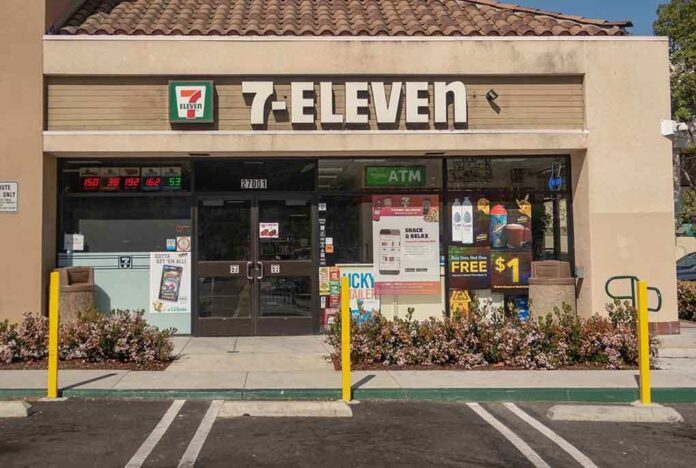
On December 6, 2025, a 7-Eleven on Beverly Boulevard in downtown Los Angeles was overwhelmed by a mob of teenagers who poured into the store, ripped merchandise from shelves, and hurled items to accomplices waiting outside. The chaos played out in broad daylight, with one suspect allegedly pointing a firearm at a store employee while others ransacked the aisles. The clerk triggered a panic alarm, and LAPD officers later arrived to find a store turned into a crime scene instead of a neighborhood convenience stop.
Video from inside and outside the store quickly went viral, not because security cameras caught the criminals, but because the perpetrators proudly documented themselves. Cellphone clips show masked teens laughing, grabbing armfuls of snacks and drinks, and sprinting out the door. At least one suspect can be heard bragging that cameras could not catch his face, a chilling window into a mindset shaped by years of light consequences, plea deals, and political leaders more interested in excuses than accountability.
Pattern of Flash-Mob Robberies Targeting 7-Eleven
This was not an isolated explosion of chaos. Since mid‑July 2025, authorities have logged at least fourteen similar flash-mob takeovers at 7-Eleven locations across Los Angeles County, often involving dozens of juveniles coordinating their moves. Some stores, like those on West Olympic Boulevard and in the Pico‑Robertson neighborhood, have been hit more than once by groups arriving on bikes or on foot, swarming in, stripping shelves, and vanishing into surrounding streets before officers can respond in force.
In San Pedro, another 7-Eleven was ransacked during a nearby street takeover, linking traffic chaos with opportunistic retail crime. Each incident follows a familiar script: a sudden flood of young offenders, overwhelmed workers, and a store left damaged and looted. Over time, these events have escalated from simple shoplifting to organized theft involving intimidation and weapons. The December 6 robbery fits squarely within this trend, showing how quickly criminal tactics adapt when offenders believe the system will not treat them seriously.
Law Enforcement Struggles and Prosecutors Push for Deterrence
LAPD investigators now have extensive video evidence, both from store cameras and intersection surveillance, to help identify suspects from the Beverly Boulevard attack. Detectives are reviewing hours of footage, cross-referencing faces, clothing, and vehicles, and comparing the latest clips with previous flash‑mob robberies. In earlier cases, some parents have even turned in their own children after recognizing them on the news, a sobering sign that families themselves are caught between loyalty and the need to protect their communities.
Los Angeles County District Attorney Nathan Hochman has pointed to these attacks as justification for tougher measures against organized retail theft. He has publicly promoted Proposition 36 and stronger penalties for shoplifting and flash‑mob style crimes, arguing that consequences must be real and predictable if young offenders are going to think twice. For conservatives who believe in the rule of law, this debate underscores a basic truth: when prosecutors go soft and legislators weaken penalties, criminals pay attention—and so do frightened store clerks.
Communities, Small Businesses, and the Cost of Disorder
Behind the headlines, 7-Eleven employees and local residents are left to live with the fallout. Clerks working late nights or early mornings now face the possibility that a swarm of masked teens could appear with little warning. Many report trauma, fear, and the sense that they are on the front lines alone. Small business owners nearby see the same pattern in their own security footage: groups testing doors, grabbing what they can, and vanishing before patrol cars arrive, while insurance premiums and security costs climb.
Dozens of teenagers loot 7-Eleven in brazen flash-mob robbery — and post video on social media https://t.co/Rk6o6TSC3e pic.twitter.com/vigkeqdO7S
— TheBlaze (@theblaze) December 10, 2025
These flash‑mob robberies are part of a larger retail crime wave driving national chains to rethink their footprint. 7-Eleven has already announced plans to close more than four hundred locations, and persistent lawlessness is one factor making certain neighborhoods unworkable. When stores close, families lose access to essentials, workers lose jobs, and already struggling communities lose another anchor. For many readers, this is the predictable end result of years of permissive policies that punished police, excused youth crime, and sidelined traditional values of responsibility and respect for property.
Sources:
Masked LA flash-mob robbery suspect boasts cameras can’t catch…
7-Eleven crime and flash-mob robbery coverage – ABC7 Los Angeles
Four juveniles face charges for 7-Eleven takeovers – Beverly Press