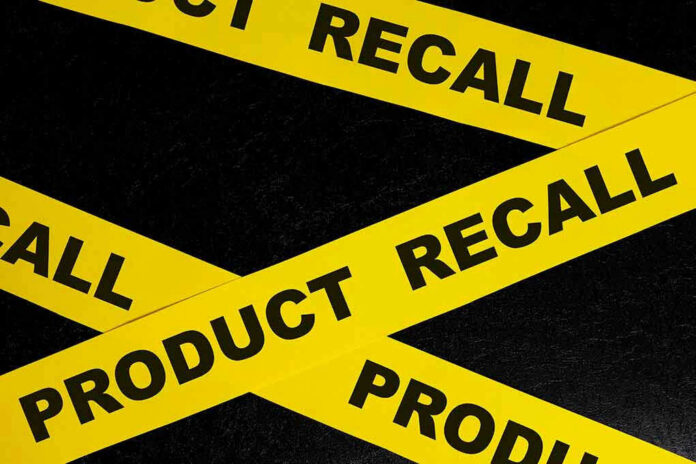
A staggering 3.3 million pounds of frozen chicken fried rice—including Trader Joe’s popular product—has been yanked from shelves nationwide after consumers discovered glass shards lurking in their meals, raising alarming questions about food safety oversight and manufacturing standards.
Story Snapshot
- Ajinomoto Foods North America recalled 3.3 million pounds of frozen chicken fried rice sold at Trader Joe’s and other retailers due to potential glass contamination
- Four consumer complaints of glass particles in the product triggered the massive recall, though no injuries have been confirmed
- The recall highlights serious quality control failures in the frozen food industry, putting American families at risk from hazardous foreign objects
- Consumers are urged to immediately discard or return affected products as the recall remains active nationwide
Massive Recall Triggered by Glass Contamination Reports
Ajinomoto Foods North America initiated a recall affecting approximately 3.3 million pounds of frozen chicken fried rice products distributed through Trader Joe’s and other major retailers. The Portland-based manufacturer acted after receiving four separate consumer complaints reporting glass fragments in the popular frozen meal. While no confirmed injuries have been documented, the presence of sharp glass particles poses serious risks including lacerations and potential ingestion hazards. The scale of this recall underscores significant lapses in manufacturing quality controls that should protect American consumers.
Consumer Safety Concerns and Immediate Action Required
Federal authorities and the manufacturer are urging consumers who purchased the affected chicken fried rice products to take immediate action. Households should check their freezers and discard any recalled items or return them to their point of purchase for refunds. The USDA’s Food Safety and Inspection Service, which typically oversees poultry product recalls, emphasizes that consuming products contaminated with glass can result in serious injury. This incident serves as a stark reminder that families must remain vigilant about product safety, even with trusted brands and retailers.
Quality Control Failures Expose Industry Weaknesses
The discovery of glass contamination in millions of pounds of frozen food raises troubling questions about manufacturing oversight and quality assurance protocols. Foreign object detection systems exist specifically to prevent hazards like glass from reaching consumers, yet this massive recall reveals those safeguards failed spectacularly. The frozen food industry generates billions in revenue annually by promising convenience to busy American families, but this incident demonstrates that profits cannot come at the expense of basic safety standards. Rigorous inspection processes and accountability measures must be enforced to prevent future contamination events.
Economic Impact and Consumer Trust at Stake
The financial ramifications of this recall extend beyond the immediate costs of product disposal and refunds. Retailers like Trader Joe’s face potential reputation damage among their loyal customer base, while the manufacturer confronts millions in losses from destroyed inventory and logistics expenses. Long-term consequences may include heightened supplier scrutiny and mandatory enhanced testing protocols across the frozen food sector. American consumers deserve transparency about how this contamination occurred and what corrective measures will prevent similar failures. When families purchase food products, they trust that manufacturers prioritize safety over cost-cutting, and this recall tests that fundamental expectation.