The $42 million figure that federal prosecutors announced this October is less a single scandal than a snapshot of two very different crimes hiding inside the same acronym — and understanding which is which tells you more about where your tax dollars actually leak than the headline number ever could.
Key Points
- A seven-week nationwide enforcement surge beginning September 1, 2026, led to action against more than 40 defendants and identified nearly $42 million in suspected SNAP-related fraud, part of almost $45 million in intended losses across USDA programs.
- The operation was run jointly by the Justice Department’s newly created National Fraud Enforcement Division, the USDA, and the USDA Office of Inspector General, with Attorney General Todd Blanche and Vice President JD Vance publicly detailing results.
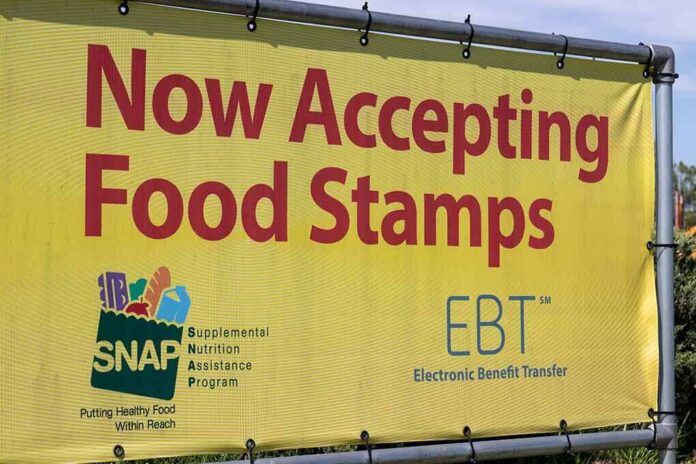
- Cases span two distinct fraud types: retailer-side benefit trafficking, where store owners cash out EBT cards for a fraction of their value, and electronic theft, where criminals skim or clone cards to steal benefits directly from recipients.
- A flagship case involves Tacoma grocer Manjit Bedi, who allegedly trafficked roughly $600,000 in SNAP benefits, fled to India after indictment, and was extradited back to Washington state in October.
- The $42 million figure includes both alleged and proven losses, a distinction that matters for anyone trying to gauge how much of it will ultimately be recovered through conviction and restitution.
What the Enforcement Surge Actually Found
On September 1, 2026, the Justice Department’s Fraud Division, working alongside USDA and USDA’s Office of Inspector General, launched what officials describe as the first coordinated national push against SNAP-program fraud under the new enforcement architecture built earlier in President Trump’s second term. Attorney General Todd Blanche announced the results on October 21, stating plainly that “in seven weeks, we’ve uncovered $42M in SNAP fraud” tied to the surge. The joint DOJ release puts the broader number at nearly $45 million in intended losses across USDA programs, with almost $42 million of that tied specifically to SNAP benefits, and names more than 40 defendants facing charges.
Vice President JD Vance, who has made fraud enforcement against federal benefit programs a signature initiative, publicly detailed the crackdown’s scope, framing it as part of a broader pledge to root out abuse of taxpayer-funded assistance. Commentators outside the administration translated the dollar figure into a more visceral comparison: the amount uncovered, one analysis noted, roughly equals a year’s worth of food assistance for more than 220,000 Americans — a way of underscoring that every dollar diverted by fraud is a dollar that does not reach a family at a grocery checkout counter.
Two Crimes, One Acronym: Trafficking Versus Theft
SNAP fraud is not a monolith, and lumping it into a single number risks obscuring who actually gets hurt. One category is benefit trafficking, where a retailer — often a small grocery or convenience store licensed to accept EBT cards — conspires with cardholders to convert food assistance into cash. The recipient runs a card for, say, $120 in groceries that are never actually purchased, the store owner pays back roughly half in cash, and both parties walk away having defrauded the program while the taxpayer absorbs the loss. The second category is benefit theft, where criminals have no relationship with the recipient at all: they skim card data at compromised point-of-sale terminals or ATMs, clone the card, and drain the account electronically, leaving the actual SNAP recipient without the food money they were owed that month.
The distinction matters because the remedies differ sharply. Trafficking is prosecuted as fraud against the federal government and against the integrity of a nutrition program; theft is prosecuted as a crime against the individual recipient, and federal law has required USDA to reimburse stolen benefits with federal funds in many cases — a reimbursement program that has already cost well over $200 million in recent fiscal years, according to USDA’s own inspector general reporting. Both problems are real, both are growing, and both were folded into the enforcement surge’s headline total, which is precisely why understanding the mechanism behind the number is more useful than repeating the number itself.
U.S. Attorney’s Office Joins DOJ Fraud Division and USDA in Uncovering Nearly $42 Million in SNAP Benefit Fraud in Nationwide Enforcement Surge
PRESS RELEASE 🔗:https://t.co/NN6mmVF4JA
— US Attorney WDMI (@USAO_WDMI) October 21, 2026
The Anatomy of a Scheme: The Tacoma Grocery Case
No case from the surge illustrates the trafficking model more cleanly than that of Manjit Singh Bedi, the 64-year-old former owner of an Asian grocery store in Tacoma, Washington. Federal investigators say Bedi’s store was approved to process SNAP benefits in February 2024 and that the fraud began within a month: Bedi allegedly arranged with EBT cardholders to run their cards for inflated amounts, paid them back roughly 50 cents on the dollar in cash, and pocketed the rest for groceries that were never sold. Prosecutors
© fixthisnation.com 2026. All rights reserved.