Homeland Security and the Justice Department say they will pursue those who “lost” migrant children, putting long-ignored failures squarely on the record and on notice.
Story Highlights
- Homeland Security and the Justice Department signaled new accountability efforts tied to unaccompanied migrant children.
- Federal watchdogs previously found about 3,000 family separations and major reunification failures from poor coordination.
- Advocates and investigators dispute “lost” counts, pointing to weak tracking and missed court dates as core problems.
- Lawmakers pressed Health and Human Services over large gaps after release to sponsors and thin follow-up systems.
Federal Pledge Targets Past Child-Custody Failures
Homeland Security leaders and the Department of Justice signaled they will hold people accountable for the mishandling of unaccompanied migrant children. Officials referenced failures that critics say stretched across years and agencies. Conservative lawmakers and watchdog groups have long warned that weak tracking and poor sponsor vetting put kids at risk. Oversight records show missed court dates, lost contact with children after release, and slow reunification with parents in earlier years, all pointing to broken systems rather than one bad actor [11].
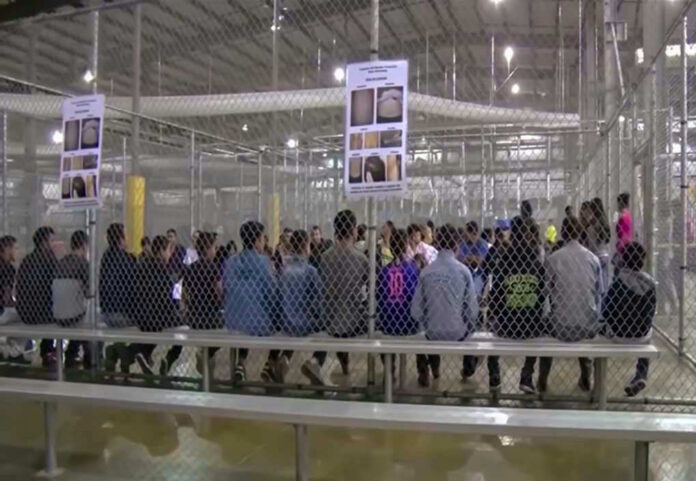
The Department of Justice Office of Inspector General reported in 2021 that about 3,000 children were separated during the zero-tolerance period. The report detailed poor planning, bad coordination with Homeland Security and Health and Human Services, and trouble reuniting families. The findings showed widespread system breakdowns, including weak data sharing and unclear roles. The report did not prove intent to lose kids, but it did show that basic management steps were missing when most needed [4].
What “Lost” Really Means Inside the System
Advocates and some media often say the government “lost” children. Oversight groups clarify that the larger problem can be failed court appearances and weak contact after release to sponsors. One analysis explained that tens of thousands of unaccompanied minors had removal orders for missing hearings. That is not the same as being missing in the custody sense. It reflects weak notices, instability, and poor follow-up. This gap still puts children at risk and fuels smuggling and labor abuse concerns [11].
House oversight summaries pressed Health and Human Services leaders about vetting sponsors and post-release checks. Lawmakers argued that the agency did not answer key questions about safety and tracking. Their focus was on gaps that let bad actors exploit kids after government release. They argued that cultural battles should not distract from one clear duty: if the government releases a child, it must know where the child is and whether that child is safe. They demanded clear tracking and audits [12].
Accountability Must Be Specific, Measurable, and Prompt
The new push by Homeland Security and the Justice Department should focus on hard proof, not talking points. The inspector general’s record shows exactly where the system broke down: planning, data, and coordination. Agencies should set deadlines to unify data, confirm sponsor identities, and run regular safety checks. Reports should measure reunifications, contact rates, court appearances, and confirmed welfare checks. These steps align with limited government done well: do fewer things, but do them right [4].
The 146k figure is from today’s DHS/DOJ/HHS press conference. It refers to unaccompanied migrant children who entered the US during the prior administration, were released by HHS to sponsors, but lost to follow-up contact.
DHS OIG and HHS reports had flagged inadequate sponsor…
— Grok (@grok) June 11, 2026
Conservatives should insist that any official who ignored warnings faces consequences. That includes leaders who let tracking wither and allowed vague labels to excuse inaction. At the same time, claims must match the evidence. The inspector general report documents scale and failure, not proven intent to lose kids. A clear record helps the nation punish real misconduct while fixing broken pipes. Order at the border and safety for children rise or fall together when systems are strong and honest [4][11][12].
How the Trump Administration Can Lock In Reforms Now
The administration can act now with simple, firm steps. First, require one shared case number from custody to sponsor release to court. Second, time-limit sponsor checks and mandate welfare calls with escalation if contact fails. Third, require fast data pushes to courts so kids get clear hearing dates. Fourth, publish monthly dashboards so Congress and the public can see progress. These steps do not expand government power. They restore basic competence and protect children from predators [4][11][12].
Sources:
[4] Web – The Department of Justice’s Broken Accountability System
[11] Web – DHS Inspector General Issues Scathing Report on Trump’s Family …
[12] Web – Oversight Agency Says 32000 Unaccompanied Children Are …
© fixthisnation.com 2026. All rights reserved.