President Trump approved a 30-year U.S.-Saudi civilian nuclear pact that opens major work for American companies while setting defined safeguards on peaceful use.
Story Highlights
- Trump approved a 30-year civilian nuclear deal with Saudi Arabia, boosting U.S. industry access.
- The White House says the pact rests on strong nonproliferation standards for peaceful energy.
- Reports say enrichment could be possible under the framework; details will face scrutiny.
- Congressional review and technical annexes will shape final guardrails and oversight.
What Trump Approved And Why It Matters
President Trump approved a civilian nuclear cooperation agreement with Saudi Arabia that runs for three decades and positions American firms to build the kingdom’s nuclear power program. White House materials describe the pact as a legal base for a long-term, multi‑billion‑dollar partnership that advances peaceful nuclear energy while maintaining strong nonproliferation rules. Supporters argue this keeps American experts, standards, and fuel supply in the lead, rather than letting China or Russia set the terms in a vital energy market.
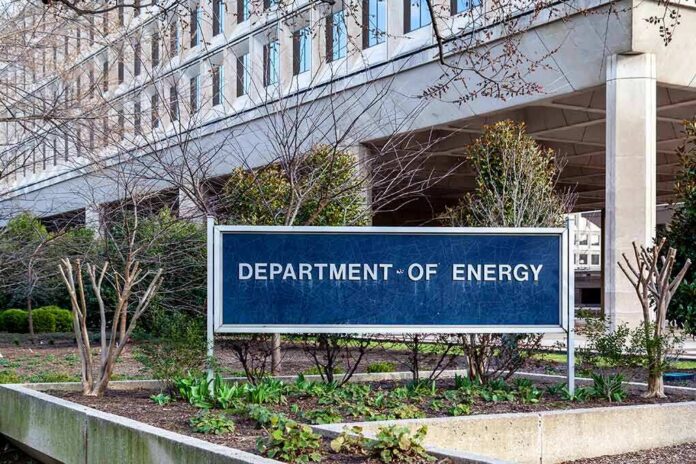
U.S. officials and media reports say the agreement could leave room for Saudi fuel‑cycle steps tied to civilian use, subject to safeguards and oversight still being defined in technical texts and review processes. The administration frames that integration as a safety win because American participation raises transparency and ties Riyadh to international checks. The Department of Energy has promoted the deal as an economic driver that supports domestic jobs and strengthens allied security through reliable energy.
How Safeguards And Oversight Will Work
White House statements say cooperation will follow strong nonproliferation standards, which typically include International Atomic Energy Agency inspections and limits on sensitive technology transfers. Reporting indicates specific guardrails on enrichment and inspections are central to debate and will be hammered out in annexes and during congressional review. This is standard for nuclear cooperation: the headline announces the partnership, and the binding limits emerge in detailed language that Congress and agencies assess before any projects advance.
Press accounts describe differing signals around enrichment. Some reports say the framework could allow Saudi enrichment under safeguards for civilian fuel; others cite administration statements underscoring peaceful‑use limits and controls. That tension reflects the long‑standing tradeoff in such deals: more U.S. commercial access and influence versus tighter bans on sensitive steps. Final terms will clarify what activities are allowed, how they are monitored, and what triggers penalties if Riyadh breaches obligations.
Why Conservatives Should Track This Deal
American leadership in Saudi energy reduces dependence on hostile suppliers and checks Chinese and Russian reach in the Middle East. U.S. firms bring higher safety standards and give Washington leverage if the kingdom drifts from peaceful use. A steady Saudi grid powered by nuclear could also stabilize oil markets, which helps U.S. consumers and lowers the chance of price shocks that squeeze family budgets. Keeping the work American means jobs at home and stronger supply chains for advanced reactors and fuel.
Skeptics raise fair questions about enrichment, inspection access, and how fast the International Atomic Energy Agency can verify compliance. Those details belong in the final texts and should be tight. Conservatives should demand strict conditions, snap‑back penalties for violations, and full transparency during congressional review. The public reporting confirms the agreement is a peaceful‑use pact with promised safeguards; the task now is turning that pledge into enforceable limits that protect U.S. security and prevent any path to a weapon.
What Happens Next And What To Watch
Congress will review the agreement language, including the technical annexes that define fuel‑cycle rights, export controls, and inspection terms. Lawmakers can press for clear red lines on enrichment and reprocessing, broad inspection authority, and automatic consequences for noncompliance. Agencies will also set licensing terms for U.S. companies and ensure transfers meet U.S. law. These steps decide whether the deal delivers jobs and leverage without adding nuclear risk in a tense region.
🚨 SAUDI NUCLEAR DEAL CONDITIONAL ON ABRAHAM ACCORDS : TRUMP pic.twitter.com/QSsy1fJTlW
— Md yousuf bin abdul aziz (@MDYousuf0808) July 23, 2026
Readers should watch for three signs of strength. First, clear bans or strict caps on sensitive activities unless monitoring is robust and continuous. Second, firm U.S. stop‑work and snap‑back tools if the kingdom violates terms. Third, strong roles for American fuel and services so we keep visibility and control. The record shows the administration sought a peaceful, pro‑industry framework; the review phase must lock in safeguards that back our allies and keep America safe.
Sources:
facebook.com, pbs.org, reuters.com, apnews.com, cnn.com, israelnationalnews.com
© fixthisnation.com 2026. All rights reserved.