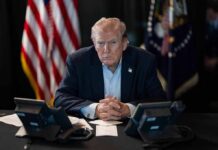
A Pentagon briefing meant to explain a fragile Iran ceasefire instead turned into a viral flashpoint over whether the press still follows basic rules—or just demands the microphone.
Quick Take
- Defense Secretary Pete Hegseth rebuked NBC’s Courtney Kube after she interrupted him while he was calling on another reporter.
- The exchange happened during a Pentagon press briefing focused on the Trump administration’s ceasefire with Iran and questions about Iranian missiles.
- Hegseth told Kube to wait her turn, calling the interruption “rude” and adding, “So nasty.”
- Only one detailed news account is provided in the research, limiting outside confirmation and broader context.
What Happened in the Pentagon Briefing Room
Pete Hegseth, serving as President Donald Trump’s Secretary of Defense, was answering questions at a Pentagon press briefing about the administration’s ceasefire with Iran. As Hegseth attempted to move to the next question, he called on Daily Caller White House correspondent Reagan Reese. NBC News senior correspondent Courtney Kube interrupted by shouting her own question about Iranian missiles, cutting across the normal turn-taking that governs briefings where officials recognize speakers.
Hegseth immediately pushed back. He told Kube, “Excuse me, why are you so rude? Just wait. I’m calling on people,” and then added, “So nasty.” The reported sequence matters because it shows the secretary’s emphasis on controlling the order of questions, not refusing questions altogether. The exchange also elevated Reese’s role in that moment, because Kube’s interruption centered on stopping Reese’s turn before it began.
Why This Clip Spread: Process vs. Pressure in National Security Q&A
Pentagon briefings are not open-floor debates; they are structured interactions where the secretary decides who speaks and when, especially during high-stakes foreign-policy moments. The briefing’s subject—an Iran ceasefire and questions about missile activity—created pressure for reporters to force immediate answers. Kube’s interruption reflects that competitive dynamic, but Hegseth’s response signals a preference for procedural control as a way to keep the briefing coherent and to prevent the loudest voice from dominating.
The research includes only one source describing the event, so readers should be cautious about drawing broad conclusions about changing rules, new press restrictions, or retaliation against specific outlets. No provided reporting includes a statement from NBC, Kube, or the Pentagon press office about any follow-up. What can be said from the available material is narrow but clear: Hegseth publicly enforced turn-taking, and he did it in blunt language that resonates with audiences who think media behavior often slides from questioning into heckling.
What Conservatives See—and Why Some Liberals Object
For many conservatives, the moment plays as a rare instance of an administration official telling a major network reporter to follow the same rules everyone else follows. In that reading, fairness means the recognized reporter—here, Reese—gets to ask the question without being steamrolled. For many liberals, the objection is typically less about etiquette and more about access: they worry that aggressive “message discipline” can become a way to dodge accountability on urgent national security details, including missiles and escalation risks.
What’s Missing From the Record (and Why It Matters)
The user-supplied topic framing mentions PBS, a White House correspondent, an “evac,” and a personal reference to Jim Acosta—none of which appears in the described reporting. Based on the provided research, the identifiable participants were Hegseth, NBC’s Courtney Kube, and Daily Caller’s Reagan Reese, and the subject was the Iran ceasefire and missile questions. The date is also not fully specified beyond “Wednesday,” and no additional corroborating articles are included here.
There's stupid, and then there's whatever this is.
PBS WH Correspondent (Acosta's GF!) BODIED for Whining That Hegseth Wouldn't Answer Questions During Evachttps://t.co/YGGLcqaoow pic.twitter.com/akZVhJcNiU
— Twitchy Team (@TwitchyTeam) April 26, 2026
That gap is worth flagging because public trust keeps eroding when political commentary and verified details get blended together. If Americans on the right and left increasingly agree the federal system serves insiders first, then the public also needs clean lines between what’s on video, what’s reported, and what’s assumed. In this case, the best-supported takeaway is straightforward: a senior official asserted control over the briefing process, and a prominent reporter challenged that process in real time.
Sources:
“Why Are You So Rude?” Hegseth Scolds NBC Reporter Who Cut Him Off as He Called on Someone Else