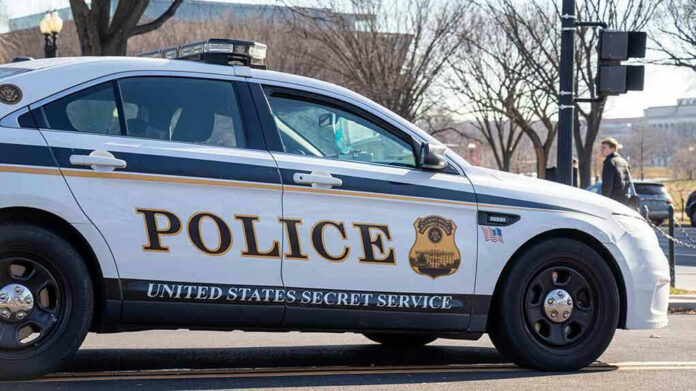
While bullets were flying at the Butler, Pennsylvania rally on July 13, 2024, a Department of Homeland Security (DHS) investigation found that one Secret Service agent was googling a rooftop location 150 yards away instead of watching for threats.
Story Snapshot
- A federal watchdog report found Secret Service agents missed 102 radio warnings about the gunman before shots were fired at the Butler rally.
- One agent was googling a nearby rooftop location while the shooting was already underway.
- The Secret Service received classified threat intelligence 10 days before the rally but never shared it with local law enforcement.
- Six Secret Service personnel were suspended, and two men wounded at the rally have filed a federal lawsuit against the United States.
The Agent Who Was Googling While Shots Rang Out
The DHS Office of Inspector General spent nearly two years reviewing the Butler security breakdown. Investigators conducted 92 interviews and reviewed 70,000 documents. What they found was damning. One agent, during the active shooting, was not scanning for threats or coordinating with his team. He was googling a rooftop location 150 yards away. The report used a 3D event reconstruction to piece together what agents were doing — and not doing — as Thomas Matthew Crooks opened fire.
This single detail captures the broader problem. It was not just one distracted agent. The same report found that Secret Service personnel missed 102 radio transmissions warning about Crooks before he ever pulled the trigger. Local officers had already spotted Crooks acting strangely. He was using a rangefinder and behaving erratically. Police issued an alert with his photo. That alert never made it through Secret Service channels because internal policy blocked sharing it across agencies.
Classified Intelligence Sat Unused for Ten Days
Senator Chuck Grassley requested a Government Accountability Office (GAO) review of the Secret Service’s pre-attack intelligence handling. The findings were stunning. Senior Secret Service officials received classified threat intelligence 10 days before the Butler rally. They did not pass it to federal partners. They did not pass it to local law enforcement. The agency had no formal process to share classified intelligence unless it met the specific threshold of an “imminent threat to life.” Anything below that bar stayed siloed inside the agency.
Agents on the ground also struggled with basic communication. Cell service at the crowded rally site was limited, and the Secret Service had no policy in place to plan around that problem ahead of time. Two separate command posts operated on the ground without coordinating. Local officers did not even know both existed. These were not freak accidents. They were predictable failures that nobody fixed before the rally started.
The Roof Nobody Secured
Crooks climbed onto the roof of the AGR building — a structure with a direct sightline to the stage — and fired eight shots. Trump was struck in the ear. One rally attendee was killed. Two others were wounded. Jim Copenhaver and David Dutch, both shot that day, filed a federal lawsuit against the United States. Their suit alleges the Secret Service failed to secure the AGR roof despite it being an obvious elevated position near the event perimeter. The lawsuit also references congressional findings describing a “cascade of preventable failures.”
Secret Service missed more than 100 radio calls before Trump assassination attempt in Butler, watchdog report says https://t.co/GSLJMORoZ2 #News #Pennsylvania
— The Right News, Right Now. (@BradPorcellato) July 3, 2026
The Secret Service has declined to comment on the pending lawsuit. Former Director Kimberly Cheatle resigned the day after testifying before Congress, where she called the Butler breakdown “the most significant operational failure at the Secret Service in decades.” A Senate report by Senator Rand Paul went further, stating Cheatle had falsely testified to Congress that no Secret Service asset requests were denied. Six personnel were suspended following the incident.
Accountability Exists, But Key Questions Remain Unanswered
The agency did acknowledge failures. Acting Director Ronald Rowe publicly cited communication breakdowns, a failure to share security rooms with local law enforcement, and over-reliance on personal cell phones. The Secret Service adopted new recommendations to share threat information more broadly going forward. That is a meaningful step. But accountability after the fact does not answer why classified intelligence sat unused for 10 days, or why an agent was googling during an active shooting.
The DHS Inspector General report remains heavily redacted. The full 82 pages, with raw radio logs and complete agent interview transcripts, are not public. Judicial Watch has pursued Freedom of Information Act litigation to force the release of related Federal Bureau of Investigation (FBI) records, with only 37 of 255 pages released so far. Until the full record is public, Americans are left piecing together what happened from redacted summaries and podcast recaps of classified findings. For a security failure this serious — one that nearly cost a president his life — that is not good enough.
Sources:
cha.house.gov, yahoo.com, abc7ny.com, youtube.com, politico.com, hsgac.senate.gov, npr.org, cbsnews.com
© fixthisnation.com 2026. All rights reserved.