Thirteen tourists set out to marvel at Peru’s mysterious Nazca Lines; minutes later, their sightseeing plane was a burning wreck in a farm field, with no one left alive.
Story Snapshot
- A small Aerodiana sightseeing plane crashed near Nazca, killing all 13 on board.
- The dead include 11 foreign tourists from Italy, Germany, and Spain, plus two Peruvian crew members.
- The flight took off from Pisco for a short aerial tour of the Nazca Lines before reporting an emergency and vanishing from radio contact.
- The plane struck farmland and erupted in flames, leaving no chance of rescue and launching a full aviation investigation.
Tourist flight over an ancient mystery ends in sudden disaster
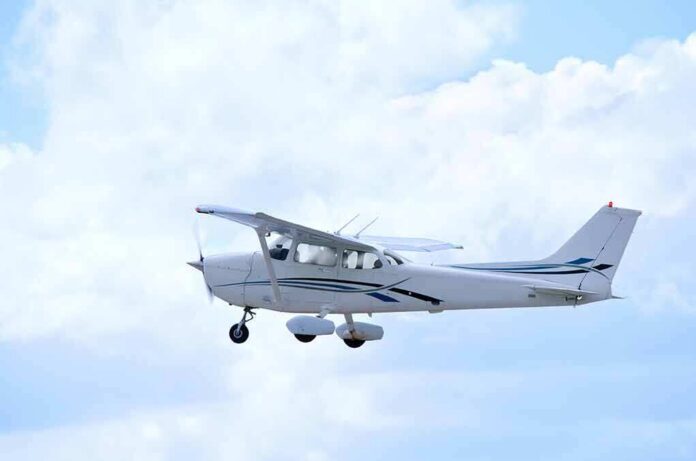
On a clear Saturday afternoon in southern Peru, a Cessna Caravan operated by the tourism company Aerodiana lifted off from Pisco Airport with 13 people aboard: 11 foreign visitors and two Peruvian crew members. Their plan was simple and popular. Fly south toward Nazca, loop over the famous Nazca Lines carved into the desert, take photos, and return with a story to tell. Instead, radio contact was lost less than an hour after takeoff, and those stories ended forever.
Peru’s Ministry of Transport and Communications later confirmed what local police already saw on the ground: the plane crashed near Nazca and everyone on board died. Officials said the aircraft reported an emergency to the Nazca control tower at about 1 p.m. local time, then went silent. Moments later, residents near Pueblo Viejo and Vista Alegre noticed a low-flying plane and then a fireball in nearby fields. A journey to see ancient lines from the sky had turned into a mass-casualty crash site in the dirt.
Who was on board and what we know about the victims
Peruvian state media and local outlets quickly converged on the same heartbreaking details. The passenger list included seven Italians, two Germans, and two Spaniards, all tourists drawn to one of South America’s signature attractions. The crew were Peruvian: a pilot and a co-pilot or guide who knew the route well. Police Major Jorge Andrade, speaking at the scene, put it plainly. “We have information that 11 passengers and two crew members have died,” he said. “Given the severity of the accident, there are no survivors.”
For families in Europe, the news hit with a double shock. Loved ones were not only dead; they died far from home in a place most relatives knew only from travel blogs and documentaries. RPP radio in Peru reported the specific nationalities even as authorities held back names until consulates could notify next of kin. Municipal leaders in Nazca and nearby districts issued formal condolence statements, but those words do little to bridge the distance between a peaceful vacation photo and a sudden call from an embassy.
Where and how the crash unfolded near Nazca
The crash zone sits a few miles from the city of Nazca, in a patchwork of farmland and small settlements that border the desert plateau bearing the Nazca Lines. Reports mention the Socos or Pueblo Viejo area, but all describe the same basic scene: a downed plane in a field, not far from the tourist reserve but outside the protected geoglyph sites. That detail matters. The lines themselves are fragile, but this wreck and the burning fuel did not appear to land directly on the ancient carvings, sparing Peru a second cultural disaster on top of the human tragedy.
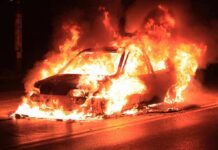
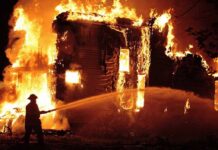
Witnesses told local media the aircraft exploded or burst into intense flames on impact. Firefighters and municipal police rushed in to put out the blaze and search for survivors, but the fire made rescue impossible. By the time cameras arrived, responders were no longer shouting orders for stretchers. They were moving slowly, stepping through wreckage, and counting bodies. Prosecutors and aviation officials followed, starting the painstaking evidence work that always comes after a crash, even when the cause is not yet clear.
What investigators are looking at and why the cause matters
Peru’s civil aviation authority opened a formal investigation almost immediately, deploying agents to collect debris, interview witnesses, and secure flight records. Municipal officials in Vista Alegre released a short statement saying preliminary information pointed to an “in-flight emergency,” but offered no details. That phrase covers a lot of ground. It could mean a mechanical failure, a sudden loss of power, a flight-control problem, or even a medical crisis on the flight deck. For now, authorities simply say the cause remains under investigation.
The Nazca Lines are fragile enough without adding plane crash debris and fuel to the site. Should sightseeing flights over archaeological landmarks require stricter altitude or route limits?
— 💛 Sofie 💫 (@sofiewanders83) August 2, 2026
One contextual detail jumps out for anyone who cares about aviation safety. Local reports noted that flights over the Nazca Lines had been suspended the day before due to strong winds and poor visibility. The suspension was later lifted. The Aerodiana flight went ahead, only to crash shortly after. That does not prove bad weather caused the accident, but it raises common-sense questions. Were conditions truly safe again, or did economic pressure to keep tourist flights running outpace caution about the skies?
The bigger debate: tourism, risk, and what comes next
The Nazca Lines are one of Peru’s strongest tourist magnets, and small-plane flights give older travelers and families a quick way to see the designs without hiking in desert heat. At the same time, each seat sold is a seat placed in a high-risk category. These planes fly low, turn often, and operate from smaller airports with less margin for error. This crash is the deadliest among several Nazca sightseeing accidents since 2008, and that pattern will trouble anyone who values basic safety standards as much as local economic growth.
From a conservative, common-sense angle, the next steps should be clear. Regulators need to dig hard into Aerodiana’s maintenance history, pilot training, and flight rules for Nazca tours. If strong winds were serious enough to halt flights one day, oversight should require more than a shrug the next. Families who trusted that “approved tourist activity” meant “reasonably safe” deserve honest answers. Tourism can boost local jobs and pride, but it does not excuse cutting corners in air safety or shrugging off near-miss warnings from the weather or past crashes.
Sources:
nbcnews.com, reuters.com, abcnews.com, theguardian.com, indianexpress.com, youtube.com, foxnews.com, facebook.com, apnews.com
© fixthisnation.com 2026. All rights reserved.