Ro Khanna’s alarm is not really about who gets to cast a ballot; it is about who gets nervous walking into the building.
Quick Take
- Khanna has built a public record of fierce hostility toward Immigration and Customs Enforcement, or ICE.
- The supplied material does not show Khanna making a direct, on-record claim about ICE at polling places.
- Supporters of polling-place bans argue that even legal voters can be chilled by visible enforcement nearby.
- The sharpest counterargument is simple: noncitizens cannot vote, so why fear ICE at polls at all?
What Khanna’s Record Actually Shows
Khanna’s critics are right about one thing: he has gone far beyond polite reform talk. In public remarks, he called for no new funding for ICE, repeal of the $75 billion ICE funding increase, an end to qualified immunity, and criminal prosecution for officers who break the law. He also said ICE is “rogue” and should be torn down and replaced with a new agency.
That history matters because it explains why he sees ICE as more than a normal law-enforcement agency. Khanna has also said ICE violated constitutional rights and treated people in ways that were “horrifying,” including during a visit to a detention center in California City. Reporting on that visit says he described detainees as being treated “like animals” and said many told him they did not know why they were being held.
Why Polling Places Become the Flash Point
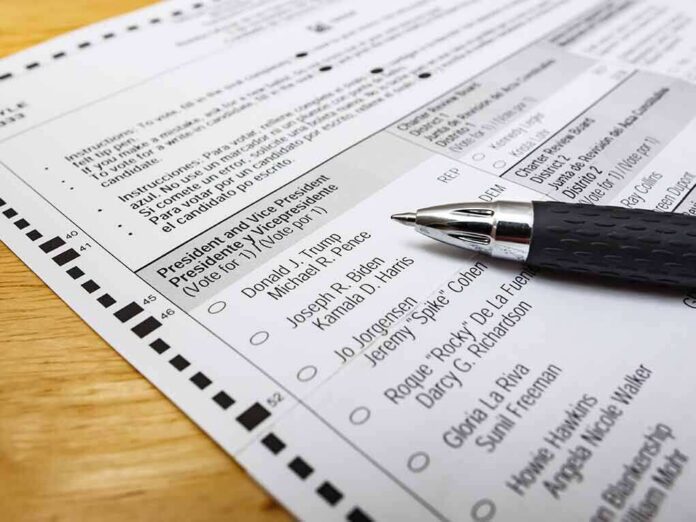
The strongest case for Khanna’s concern does not depend on proving that noncitizens can vote. It depends on the idea that visible immigration enforcement can scare off eligible voters, especially naturalized citizens and mixed-status families. That is the logic behind a bill from Congresswoman Nikema Williams that would bar immigration enforcement from polling places to prevent intimidation.
That logic is not limited to one party or one politician. The supplied reporting also notes that then-Governor Jay Inslee pushed Congress to ban ICE from polling places because of fears that agents gathering near polls could frighten voters. In other words, Khanna’s warning sits inside a wider political argument about chilling effects, not a lone outburst.
Where the Evidence Gets Thin
The problem is that the supplied record stops short of the key fact that would settle the argument. There is no direct Khanna statement here specifically describing ICE intimidation at polling places, and there is no turnout study, election-board finding, or court record showing that ICE presence at a voting site actually suppressed votes. The materials show distrust of ICE, not a documented polling-place case.
Noncitizens Can’t Vote – Why Is Ro Khanna So Worried About ICE at the Polls? | Ben Smith, RedState
Democrat Rep. Ro Khanna (CA-17) has a message for his party ahead of the midterms: Get monitors to the polls, lawyers on speed dial, and whatever you do, keep ICE out. That last… https://t.co/KU5MzNq29i
— Owen Gregorian (@OwenGregorian) July 25, 2026
That gap gives opponents a powerful opening. They can say the whole debate is a distraction because noncitizens cannot legally vote. They can also point to Khanna’s own words to argue that he approaches ICE as an institution to be dismantled, not a neutral law-enforcement body to be managed. That makes his warning easier to dismiss as ideology, even if some voters do feel intimidated.
The Deeper Political Fight
This is why the dispute keeps getting sharper than the facts alone seem to justify. One side sees ICE as an agency with a record of abuse, overreach, and fear. The other side sees a basic citizenship rule and asks why anyone would fear lawful enforcement near a polling place. Both sides talk past each other because they are arguing about different harms. One fears voter suppression. The other fears manufactured outrage.
From a common-sense, American-conservative view, the citizenship point is not trivial. Noncitizens cannot vote, and public policy should not pretend otherwise. But common sense also says that a polling place should feel open, calm, and free of pressure. If federal agents near the door make eligible voters hesitate, that is a problem worth examining, not hand-waving away. The missing piece is hard evidence from election sites, not louder rhetoric.
Sources:
redstate.com, pbs.org, thetonymichaels.substack.com, npr.org, ktvu.com, youtube.com, nationalnursesunited.org
© fixthisnation.com 2026. All rights reserved.