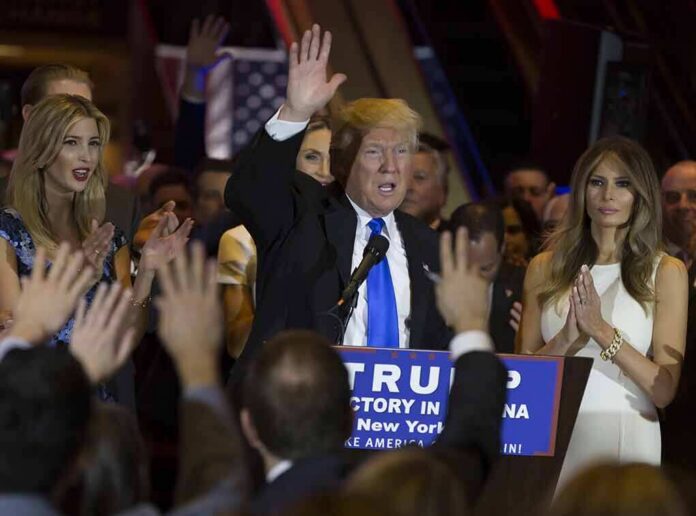
Trump’s five words about LeBron lit a fuse that sports talk never could.
Story Snapshot
- Trump said LeBron James is “maybe” a racist during a White House exchange.
- He tied his view to personal loyalty and picked Michael Jordan as the greatest.
- LeBron has accused Trump of emboldening racists, fueling a long feud.
- The claim rides media heat, not documented evidence of racist acts by LeBron.
What Trump Said And Why It Landed Like A Grenade
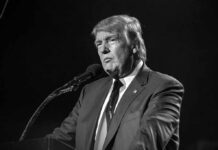
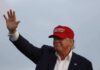
President Trump answered a Jordan-versus-LeBron question and swerved into character. He said, “Maybe he’s a racist, but maybe he doesn’t like Trump,” then added, “I only like people that like me,” and picked Michael Jordan as the greatest. The moment came from a casual exchange, but it spread fast because it mixed sports glory, politics, and race in one clip. That blend creates headlines that outrun follow-up facts, every single time.
Trump’s words were not a legal charge or a policy claim. They were a jab inside a long public feud. He framed it as a guess and linked it to personal loyalty, not proof. That choice matters. It shows this was more about a culture fight than a case with receipts. Reports that day captured the short quote, the Jordan pick, and the “I only like people that like me” line, which tied the whole thing to friendship and payback.
The Receipts Question: Claims Versus Evidence
The record here does not show a specific act by LeBron that proves racism. Coverage pointed to Trump’s earlier blasts about LeBron’s “racist rants,” but those were replies to LeBron’s political comments, not new facts about bias by LeBron. When a charge has no named act, date, or target, it is not evidence, it is branding. That is why this line caught fire on shows and feeds, but stayed thin on substance when pressed for details.
LeBron’s side is public and sharp. He has said Trump emboldened racists and split the country. That is a political claim too, but it is at least specific in direction: he accuses a president of sending a signal that fuels open hate. This clash is what keeps the feud alive. One side says your speech divides and lifts racists. The other side says your speech is racist. Both frame the other as a moral threat. Neither settled it with hard proof.
How A GOAT Debate Became A Proxy War
Sports media loves a greatest-of-all-time question because it is easy to argue. Add Trump, LeBron, and race, and you get a viral loop. The exchange started with a normal sports ask: Jordan or LeBron. Trump said Jordan, called him a friend, and then swung at LeBron’s character. That turn gave the clip a perfect outrage arc for television and social feeds. It was simple, emotional, and newsy, all at once.
Audiences then sorted into tribes. Fans heard a defense of Jordan and a hit on a rival. Critics heard a racial smear tossed without proof. The middle got pulled into the stream anyway because the quote was everywhere. This is the playbook: use a small hook, attach a big label, and let repetition set the memory. Once that sticks, later facts struggle to catch up.
What Holds Up Under Scrutiny
Three facts survive the noise. Trump said “maybe he’s a racist” about LeBron. He grounded his view in personal loyalty and preference for Jordan. The public record cited so far does not show concrete proof that LeBron acted with racial bias against any group. On that last point, sober readers should separate heat from light. Claims deserve evidence. If the case rests on “maybe,” it is not a case. It is a headline.
President Donald Trump was of the view that basketball superstar LeBron James could be a racist, telling the press that he only likes people who like him. Trump made this comment when he was asked who he thought was a better player between James and NBA legend Michael Jordan.
— 👑 Prince Selassie (@selassiestarr) July 25, 2026
This fight will not end soon because it pays off. It gives both men a foil. It feeds networks that turn conflict into content. Here is the conservative common sense: judge people by what they do, not the label stuck to them in a press gaggle. If there is proof, show it. If not, call it what it is—political theater draped over a barbershop debate about the greatest of all time.
Sources:
youtube.com, cnn.com, bbc.com, washingtonexaminer.com, thehill.com
© fixthisnation.com 2026. All rights reserved.