Trump warns Tehran that closing the Strait of Hormuz will trigger overwhelming U.S. action to keep the oil lifeline open.
Story Snapshot
- Trump ties any Strait of Hormuz closure to rapid U.S. retaliation [1].
- Reports describe a 48-hour ultimatum and threats to hit Iranian power plants [2].
- Iranian claims of closure clash with U.S. denials and mixed traffic reports [10].
- Experts say Iran struggles to keep the strait shut for long, even in crisis [22].
Trump’s Red Line on the Strait of Hormuz
President Donald Trump warned that Iran must not threaten shipping through the Strait of Hormuz. He said that if Iran refuses peace, future U.S. attacks would be “far greater and a lot easier,” after strikes on Iranian nuclear sites that he called a success [1]. This message set a clear red line on the world’s key oil chokepoint. The White House view is simple: keep the sea lanes open, or face swift action to protect global energy and allied shipping.
Social media and commentary amplified a reported Trump ultimatum. Posts cited a Truth Social warning giving Iran 48 hours to fully reopen the strait, or the United States would strike major power plants, starting with the largest one [2]. Critics mocked the tone, but the intent was plain: deter Iran from using the waterway as leverage. The message also signaled that Washington links freedom of navigation with broader efforts to stop Iran’s nuclear threat and proxy aggression.
Competing Claims Over Closure and U.S. Resolve
Iranian outlets and officials have alternated between saying the strait is closed or under strict control and suggesting conditional reopening tied to U.S. actions. A recent report said Iran’s joint military command declared the waterway shut, even as U.S. leaders pushed back and said they saw no proof of a full closure [10]. This back-and-forth creates confusion for shippers and markets. It also tests U.S. resolve to keep energy flowing while avoiding a wider regional war.
Conservatives see a familiar pattern: Tehran blusters to raise oil prices and pressure the West, while America must decide how to answer. Trump has urged partners like Japan, South Korea, China, and Europe to help secure the strait, while adding that the United States can act alone if needed [3]. That stance reflects the duty to protect free navigation. It also warns Iran’s leaders that blocking the global oil artery invites a response they cannot control.
What History and Experts Say About “Closing” Hormuz
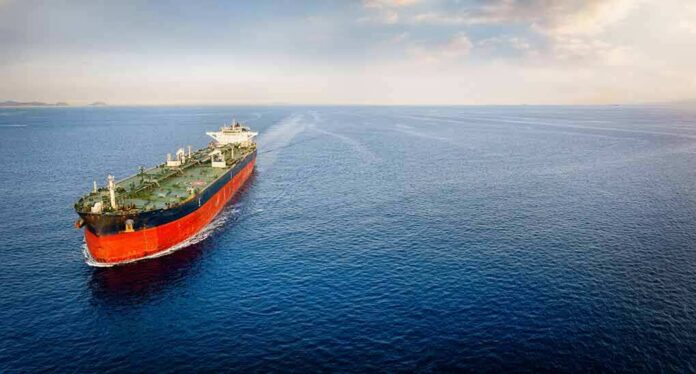
Defense studies and past Navy actions show Iran can harass ships and cause short-term disruption, but sustaining a full shutdown is hard. Research finds limits on Iran’s ability to stop tankers with small boats, mines, and missiles, and says even large minefields would likely damage fewer than ten supertankers over their lifetime—less than the number that pass in a single day [22]. Analysts also judge that U.S. forces would ultimately prevail if Iran tried to close the strait [18].
The policy challenge is cost and time, not capability. Reopening the waterway after strikes or mine-clearing takes days to months in worst cases, and markets react fast. The Center for Strategic and International Studies describes a “war of endurance,” where Iran tries to raise global costs and Washington counters without overextending [19]. That is why credible threats, coalition escorts, and tight rules of engagement matter. They keep pressure on Tehran while calming energy markets.
Why This Standoff Matters to American Families
Every day, about a fifth of the world’s traded oil moves through Hormuz. Any serious disruption hits pump prices, home heating, and grocery shelves. Iran knows this and uses the strait to squeeze the world. Trump’s message aims to flip that script: no ransom for oil, no tolls for passage, and no safe haven for nuclear escalation or terror proxies. The United States says it will act to secure the lanes so families are not punished by a hostile regime’s brinkmanship [1].
🇺🇸🚨BREAKING | Beyond the markets, Trump has just issued a stern warning on Truth Social demanding that Iran immediately rein in its allies in Lebanon.
He asserts that the Strait of Hormuz will open TOLL-FREE due to the ceasefire, but if Tehran fails to comply, "the U.S. will… https://t.co/aOpmnoRKOb
— hash_v06.7c6 ⌖ (@v06_7c6) June 22, 2026
Readers should expect more signaling and mixed claims from Tehran, and steady patrols from U.S. and partner navies. The facts point to an edge for the United States at sea, but patience and clarity are vital. The goal is simple: keep ships moving, stop Iran’s nuclear ambitions, and avoid handing leverage to a regime that bets on chaos. Strength backed by facts, coalitions, and clear red lines is the surest path to protect our economy and our security [19].
Sources:
[1] Web – Iran-US war latest: Trump warns Tehran ‘we will take over your …
[2] Web – President Donald Trump addresses nation after US strikes on Iran
[3] Web – Iran’s Fars News Agency shared a previous post from Ali Larijani in …
[10] Web – CSIS | Center for Strategic and International Studies
[18] Web – U.S. DENIES IRAN’S CLAIM OF HORMUZ STRAIT CLOSURE U.S. …
[19] Web – [PDF] Iran’s Threat to the Strait of Hormuz – UM Carey Law
[22] Web – “It has long been known that the Strait of Hormuz is a really …
© fixthisnation.com 2026. All rights reserved.